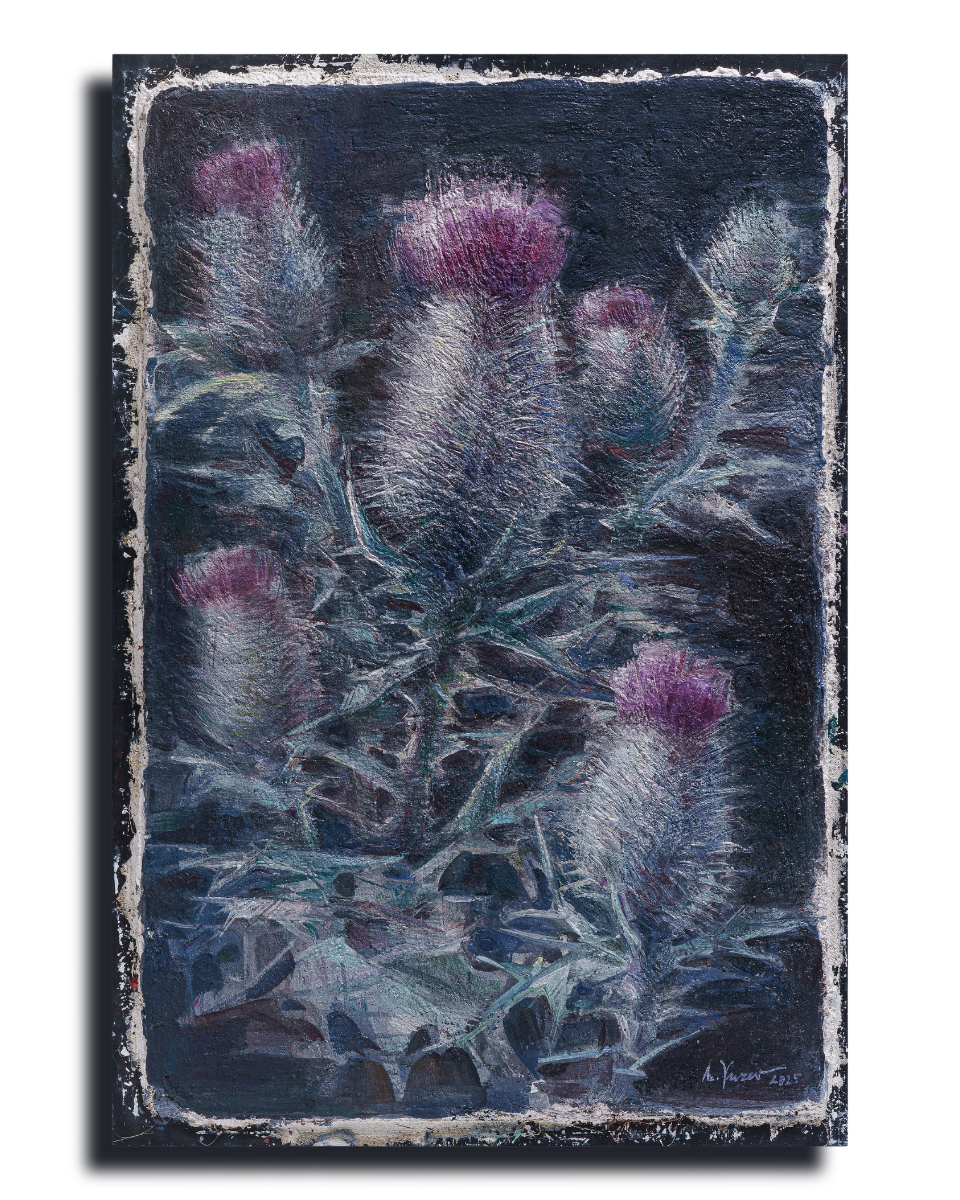
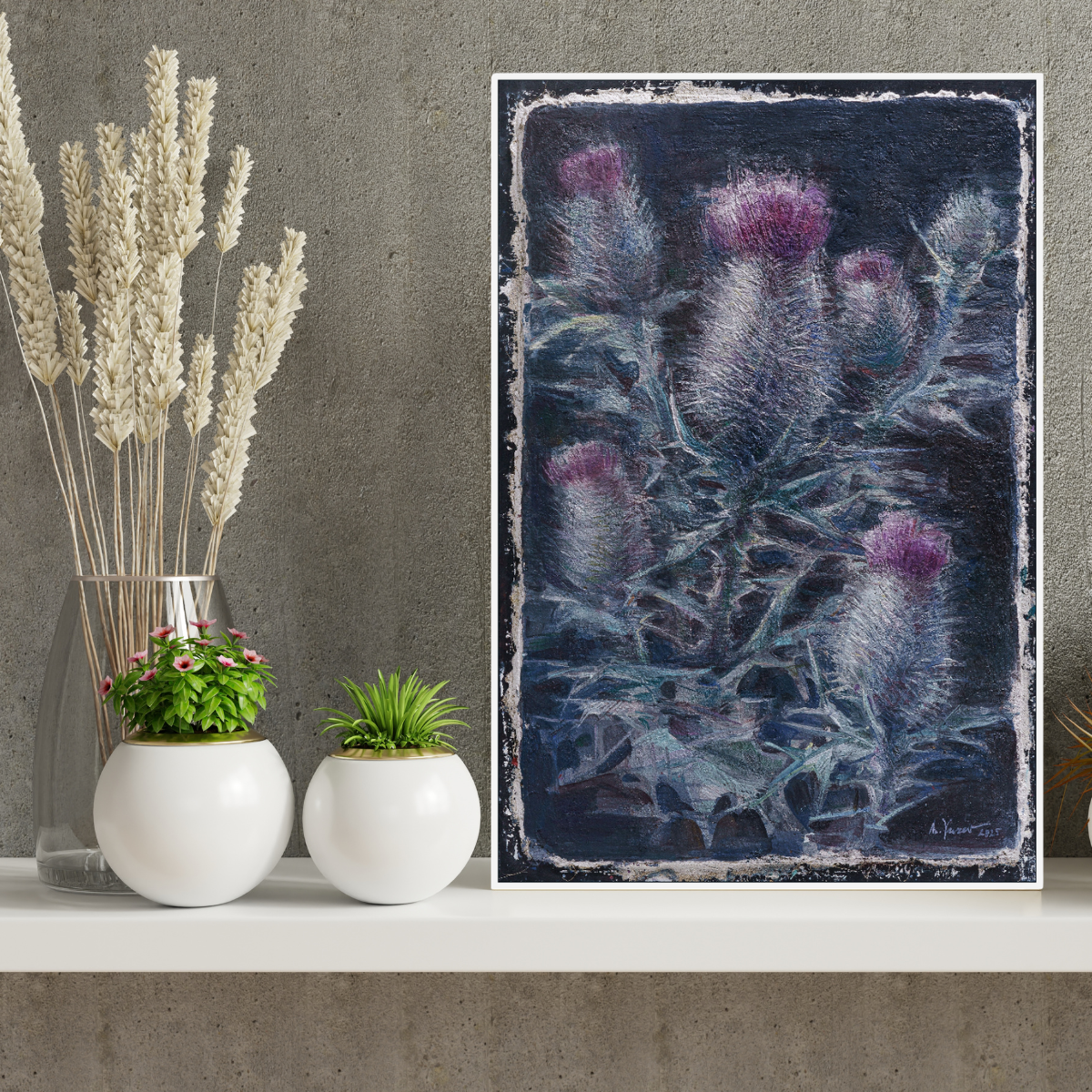
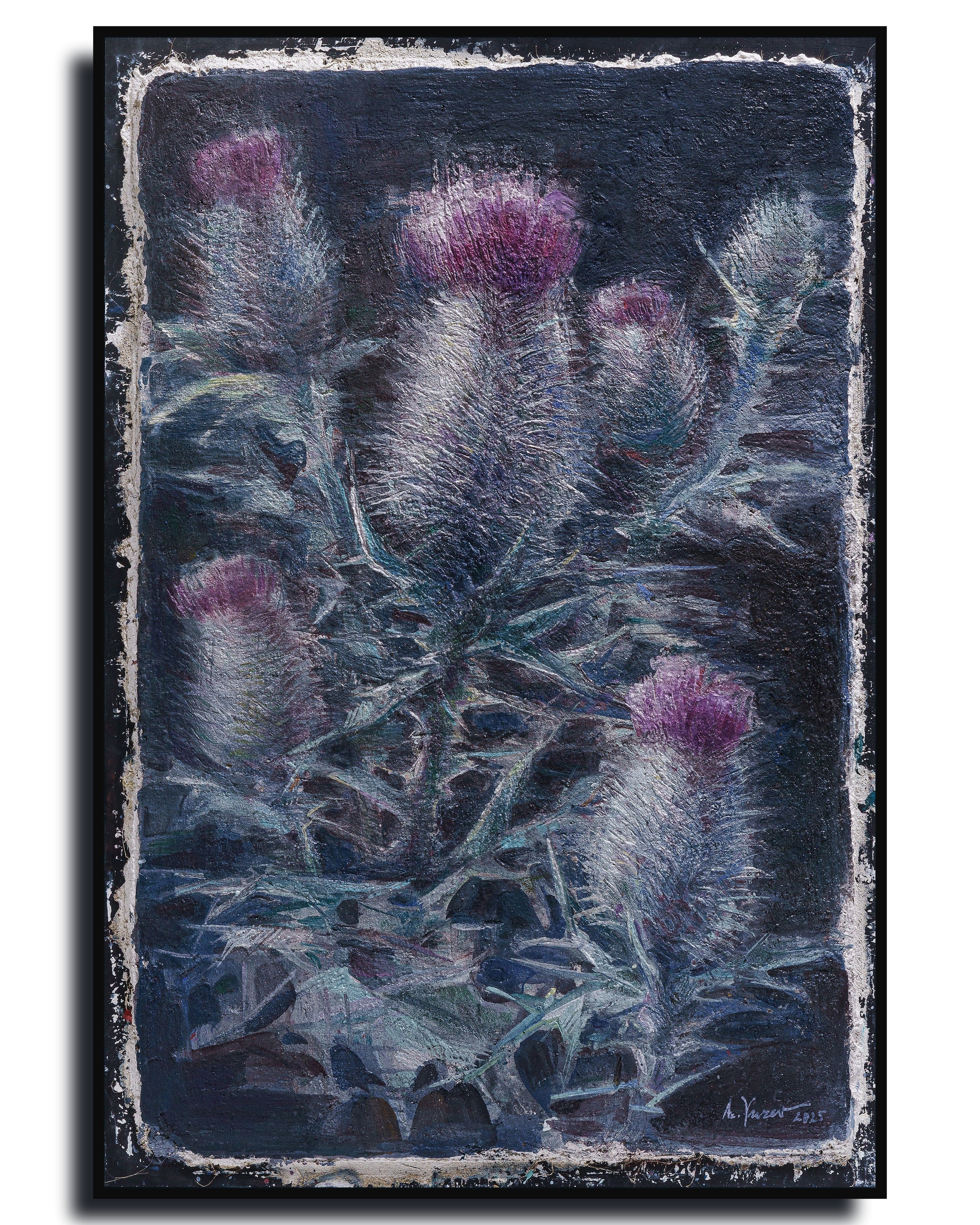
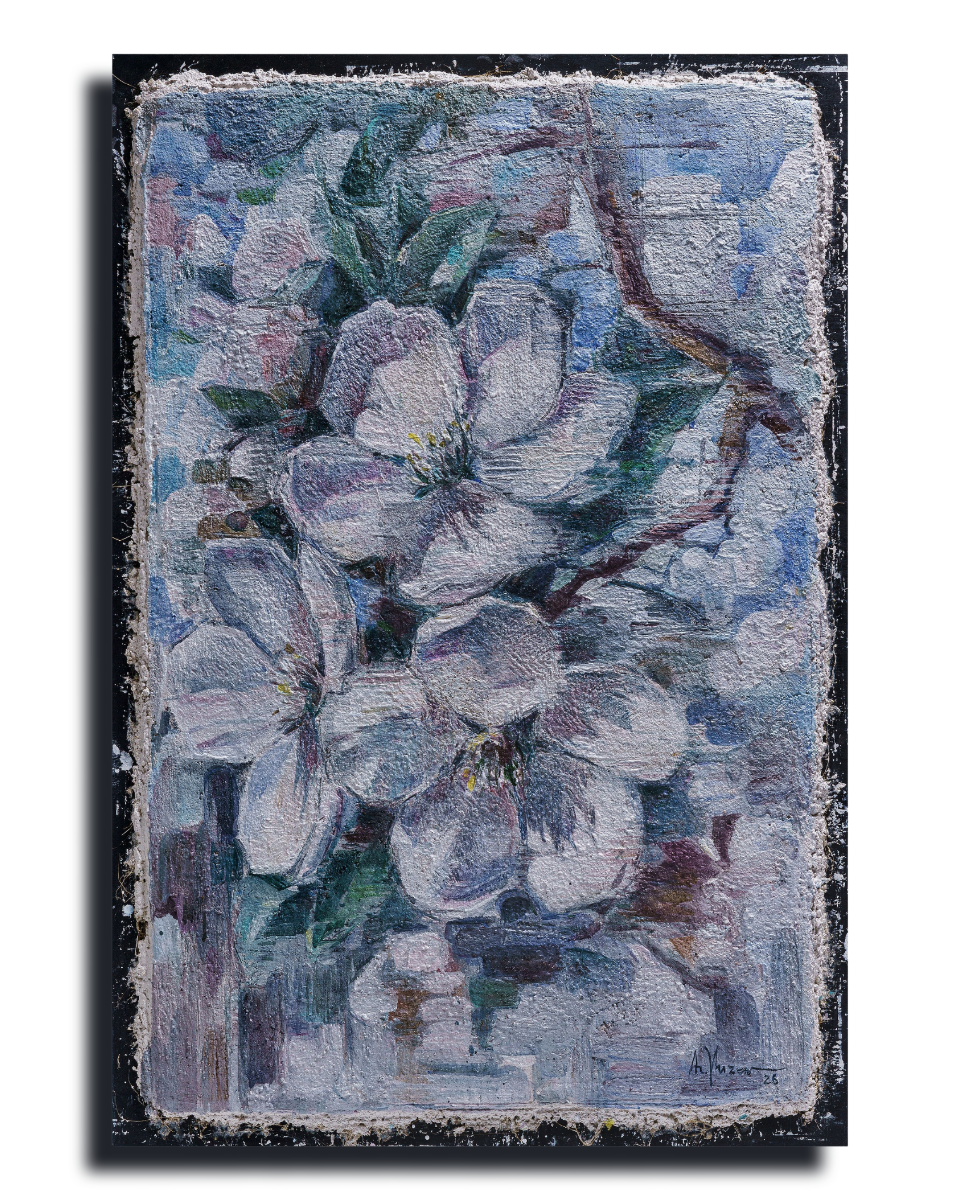
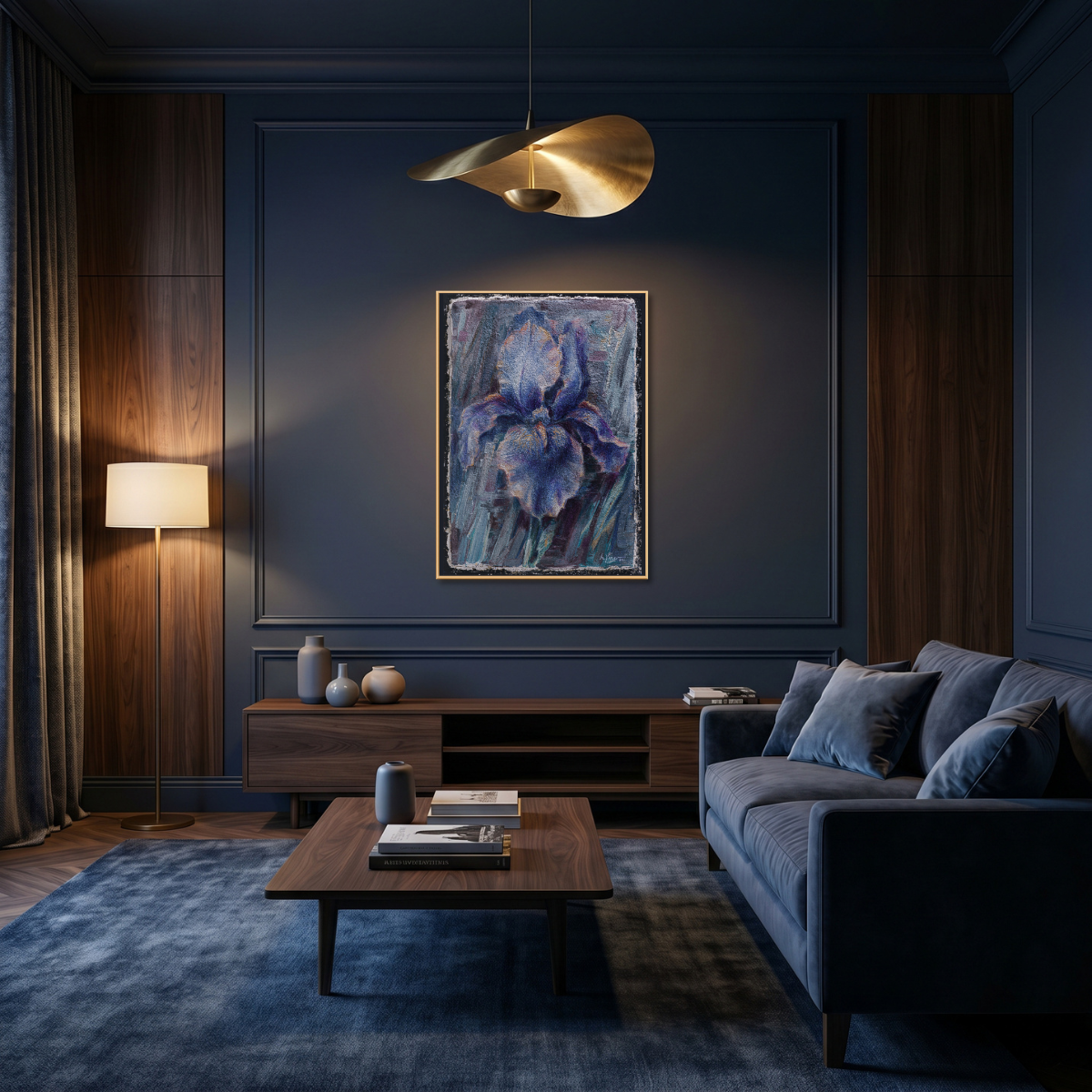
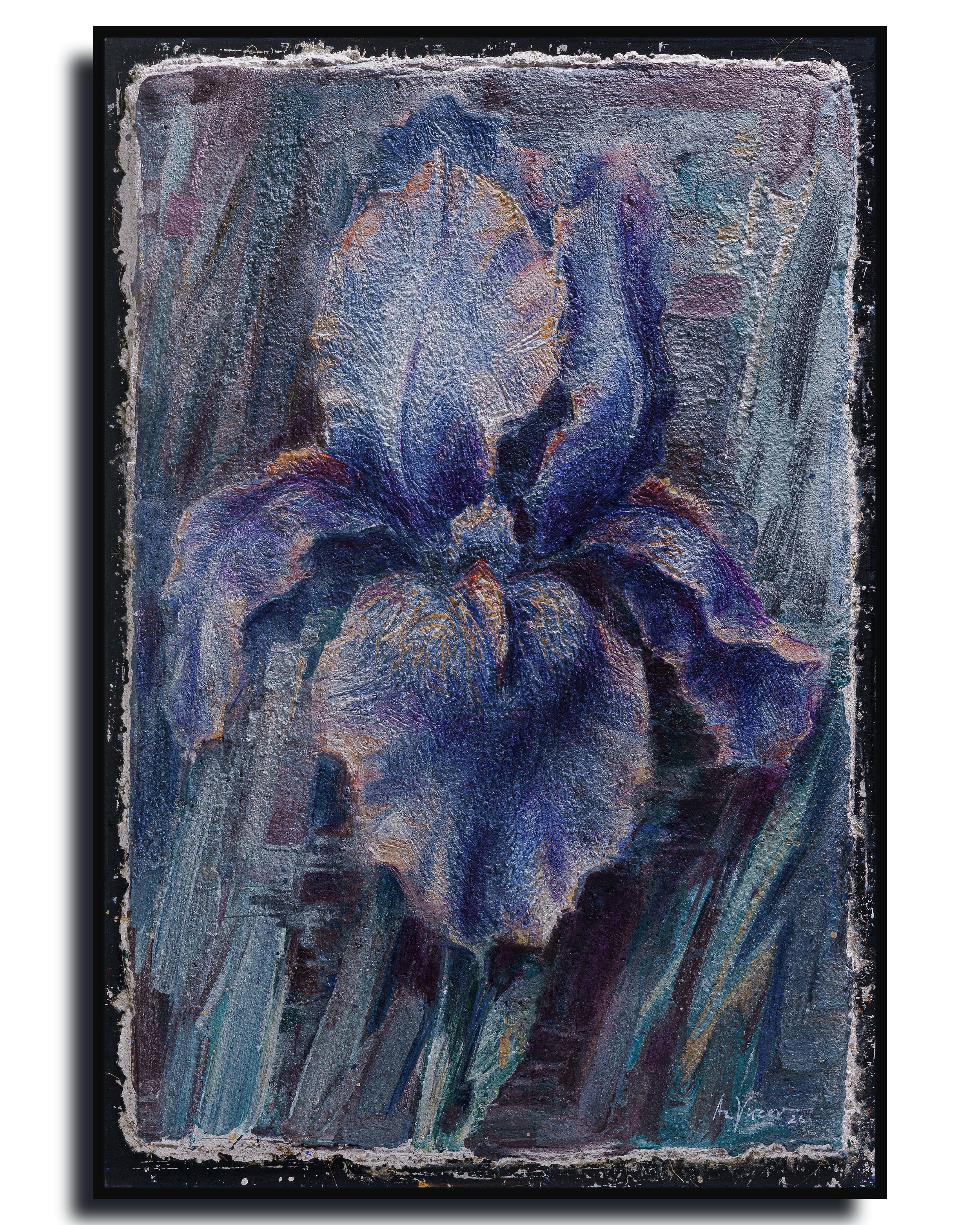
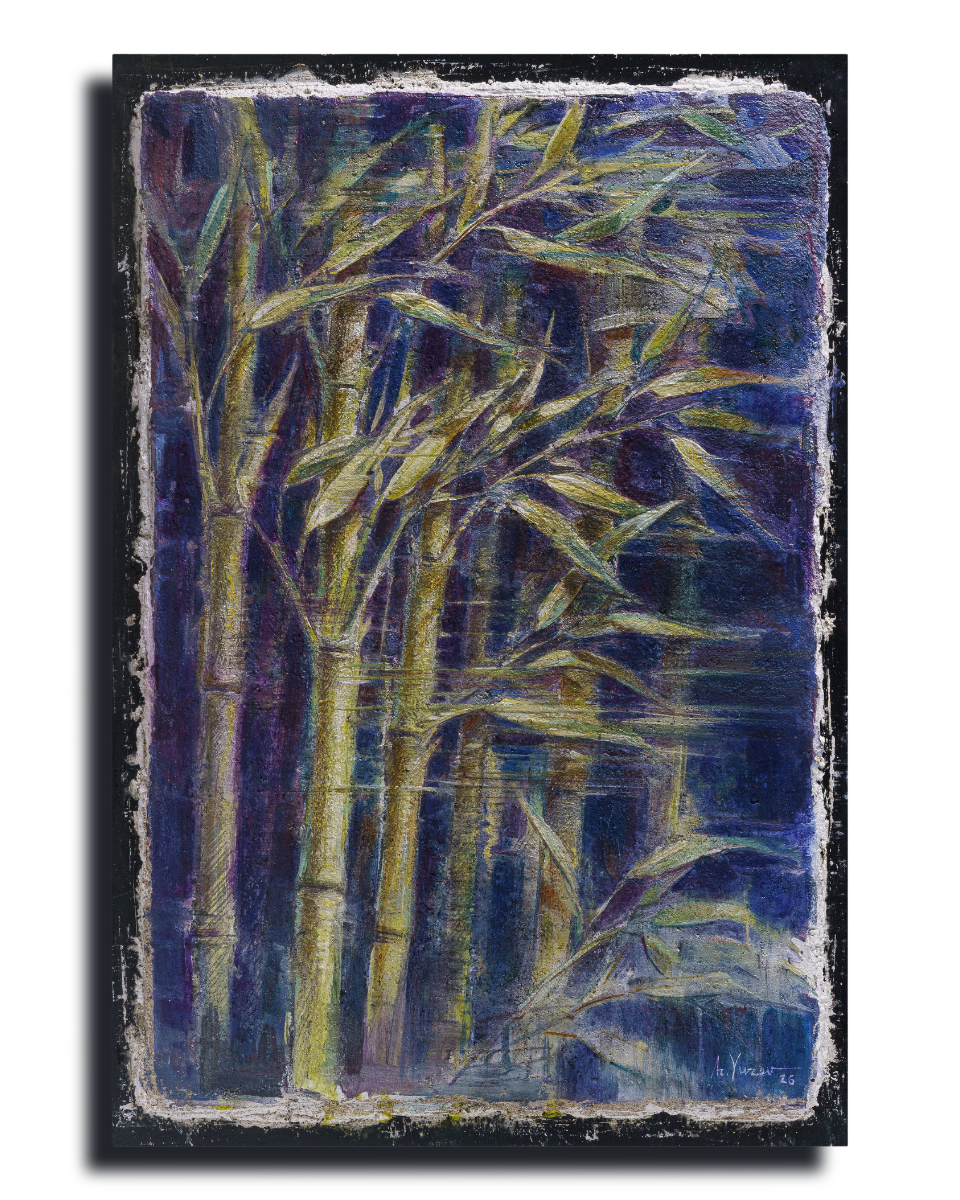
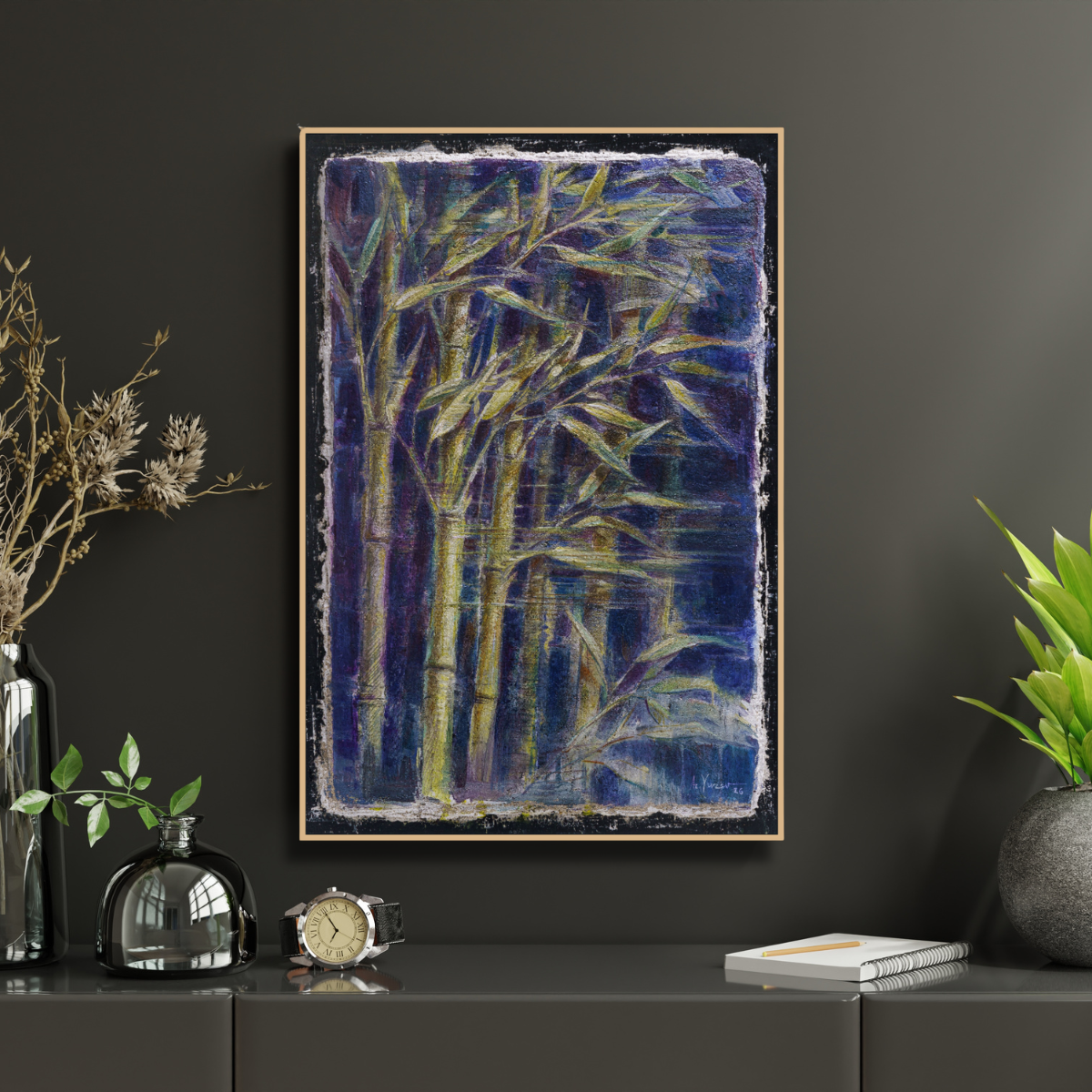
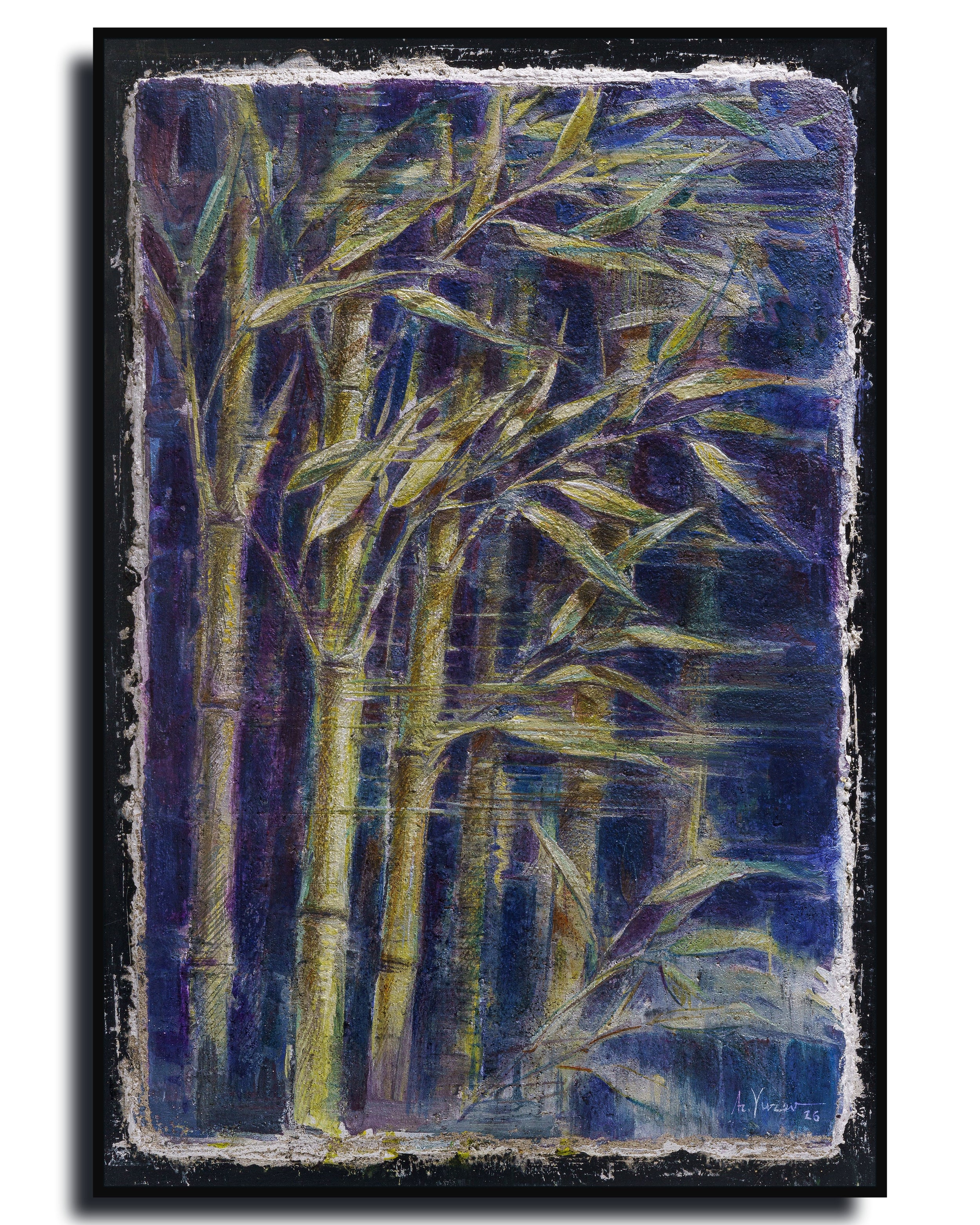
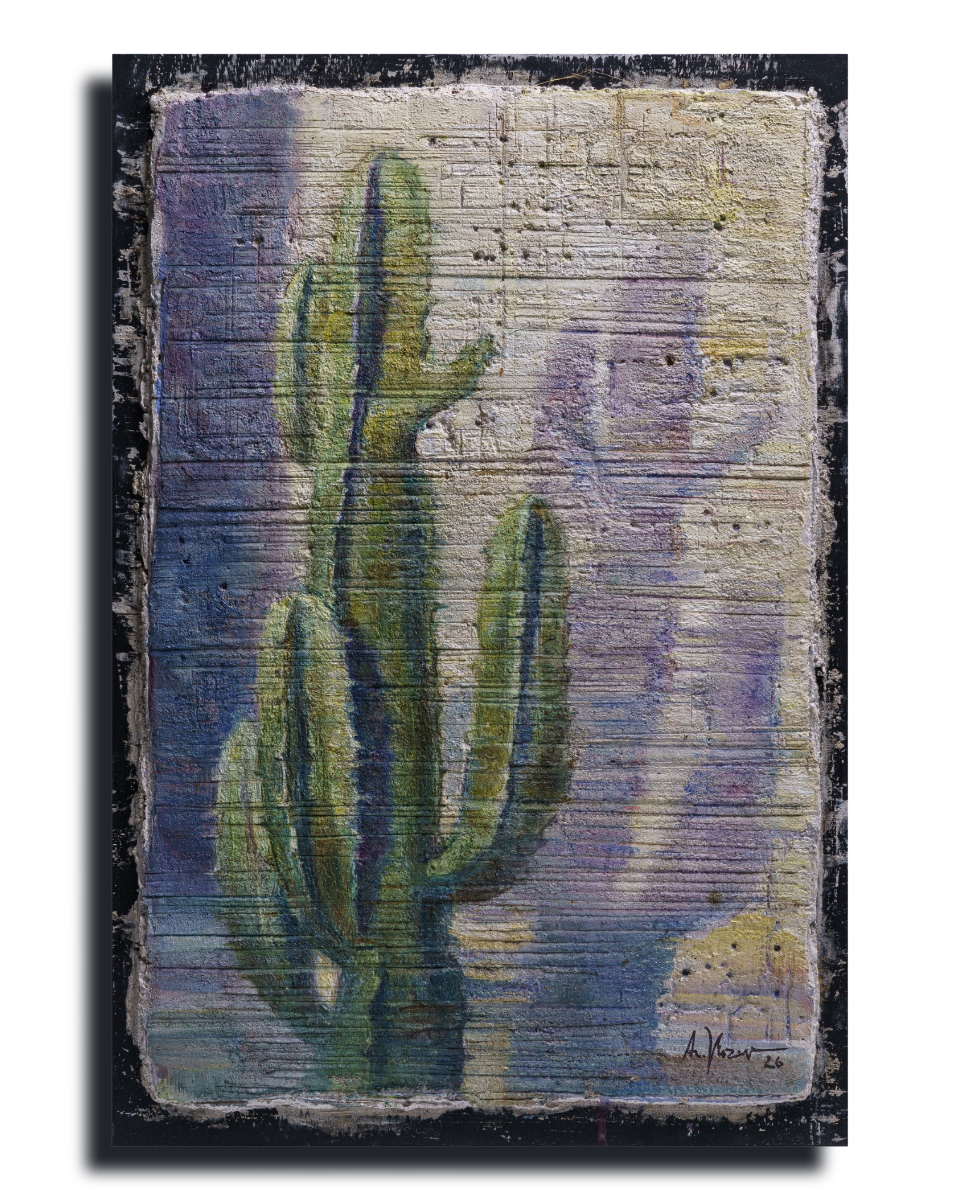
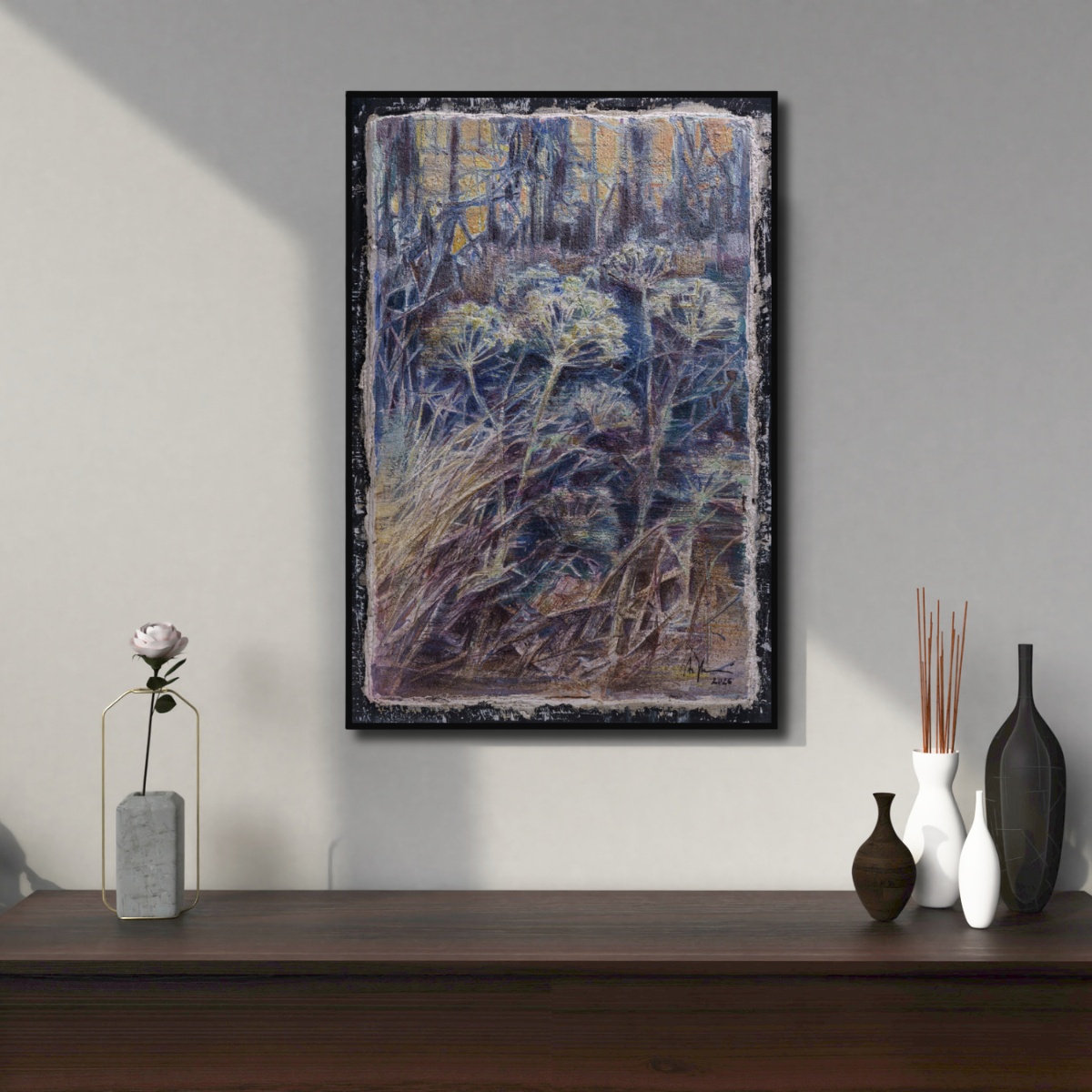
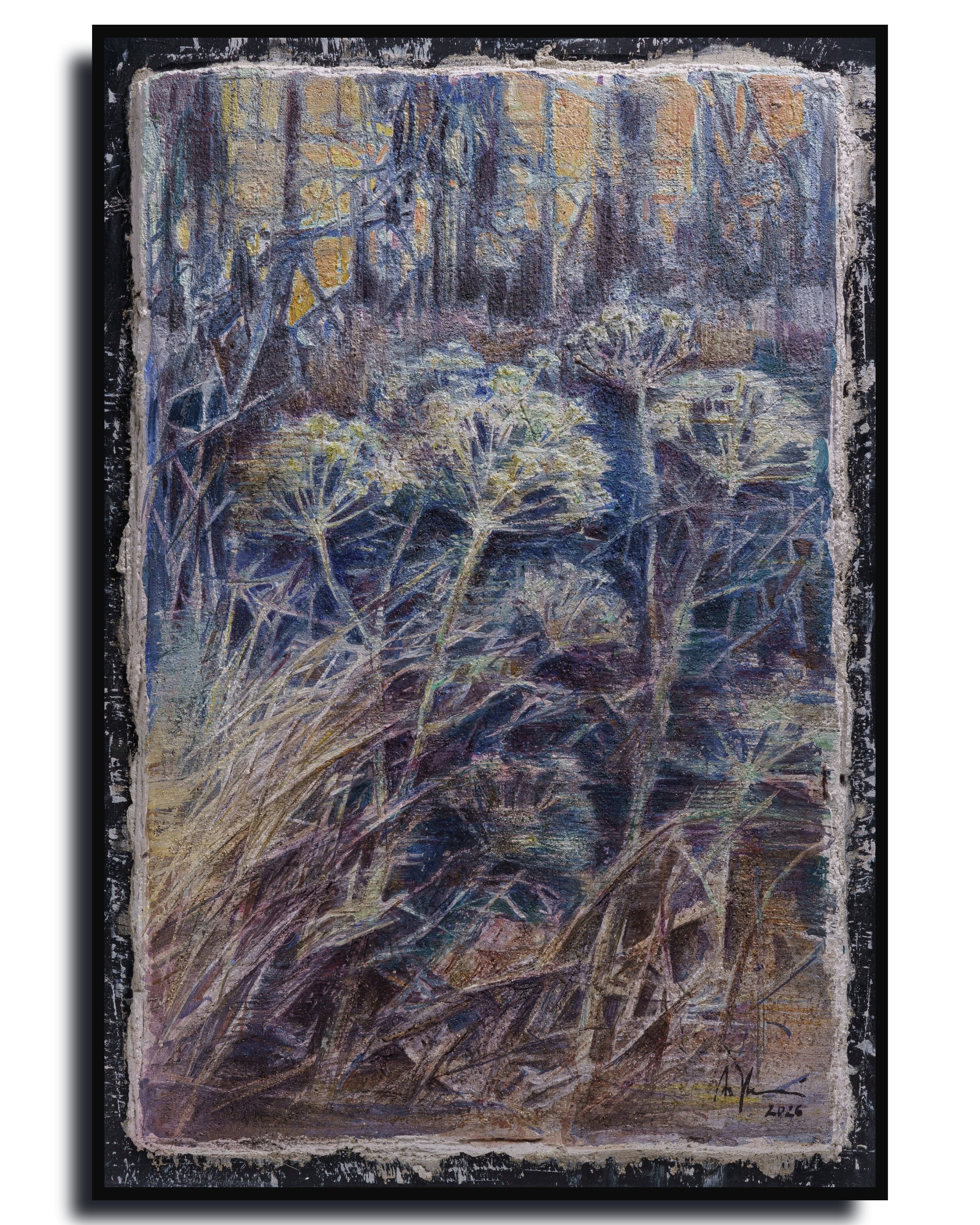
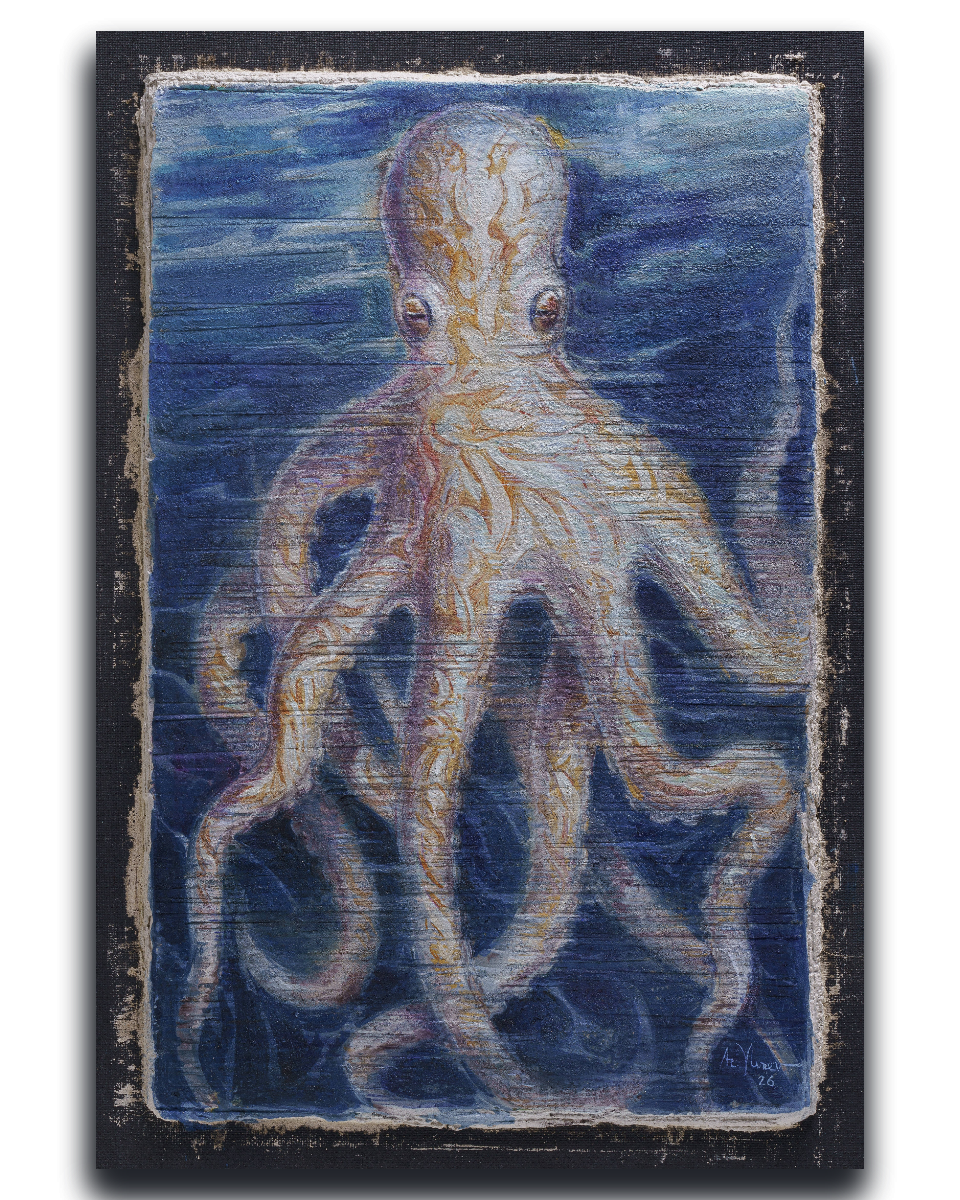
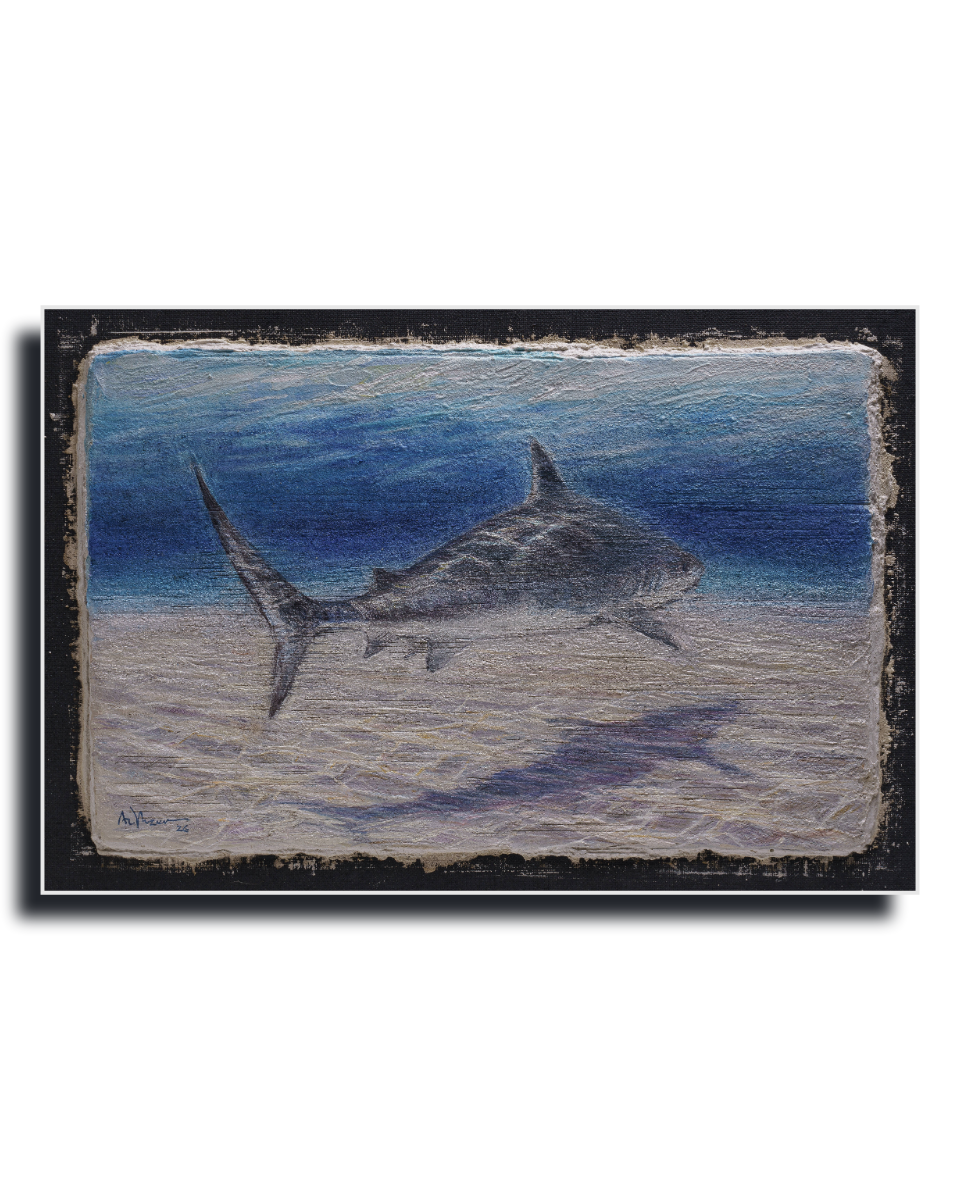
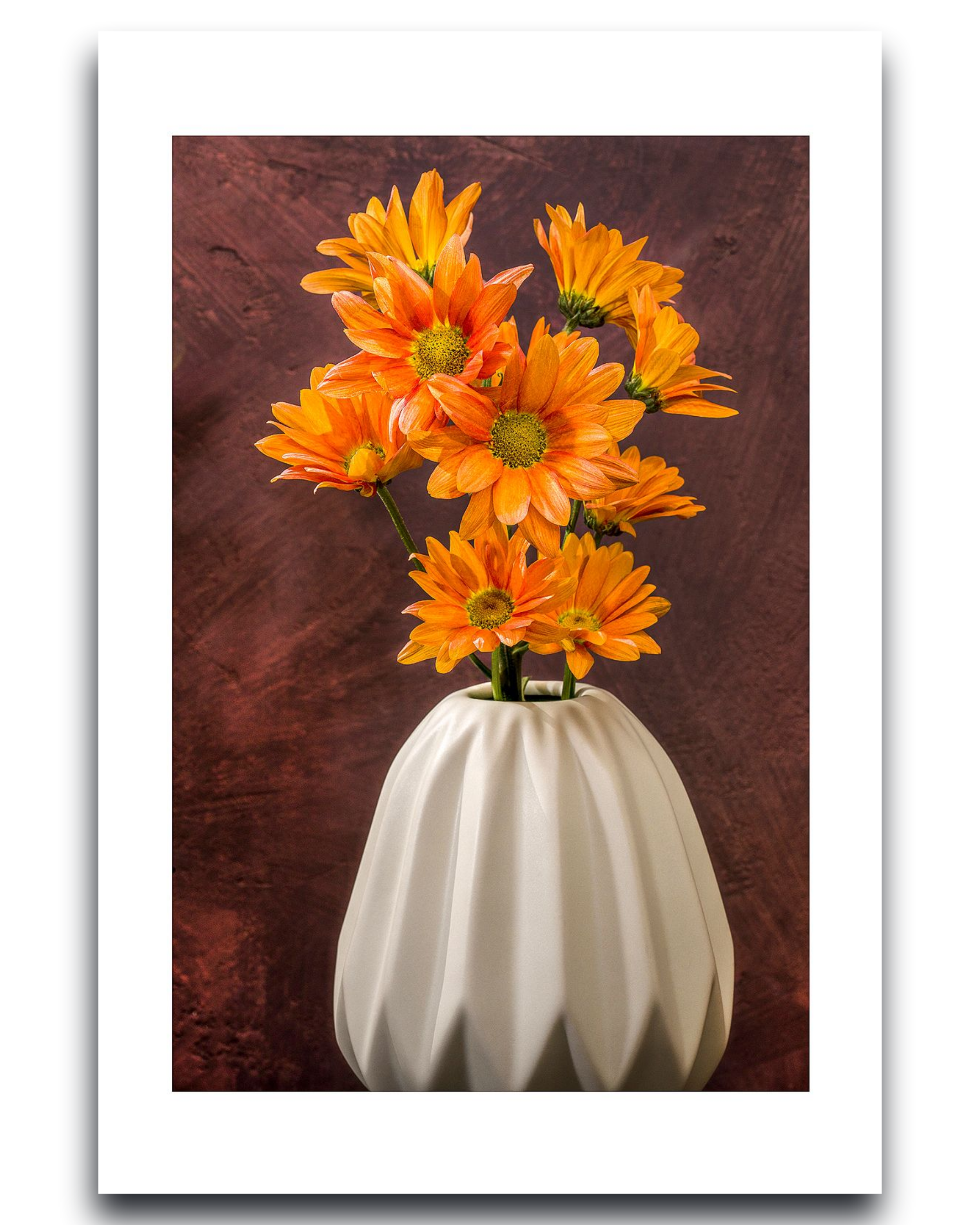
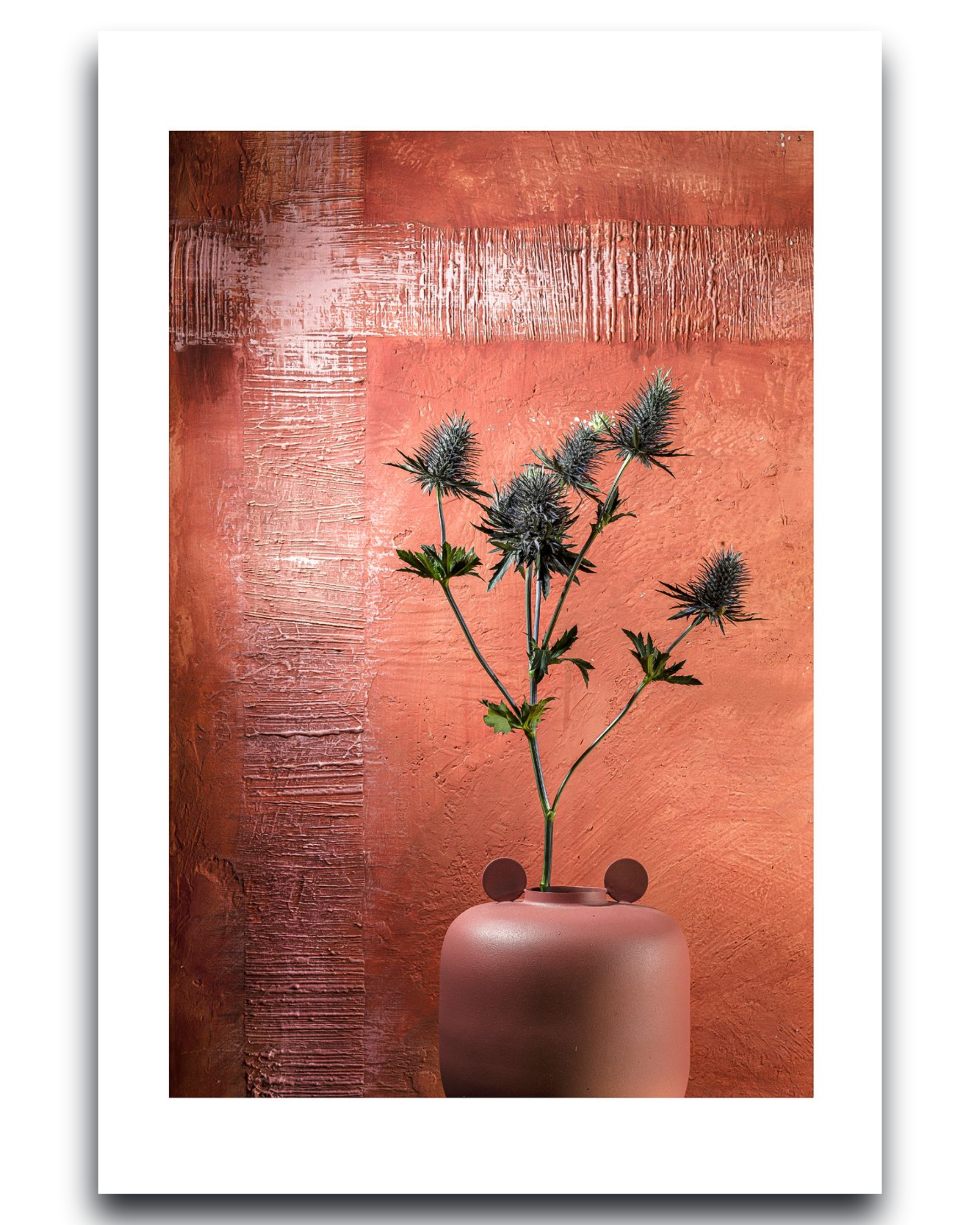
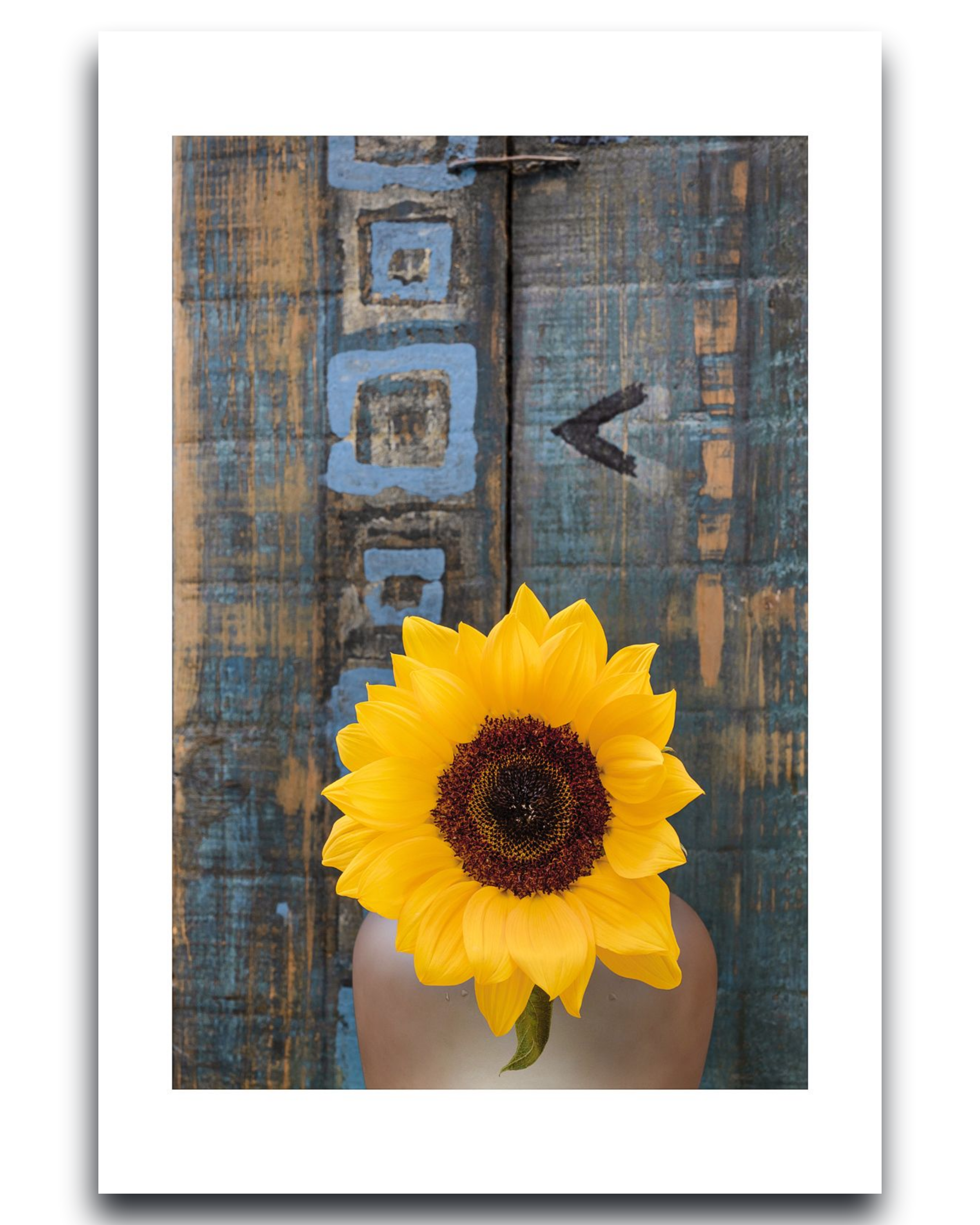
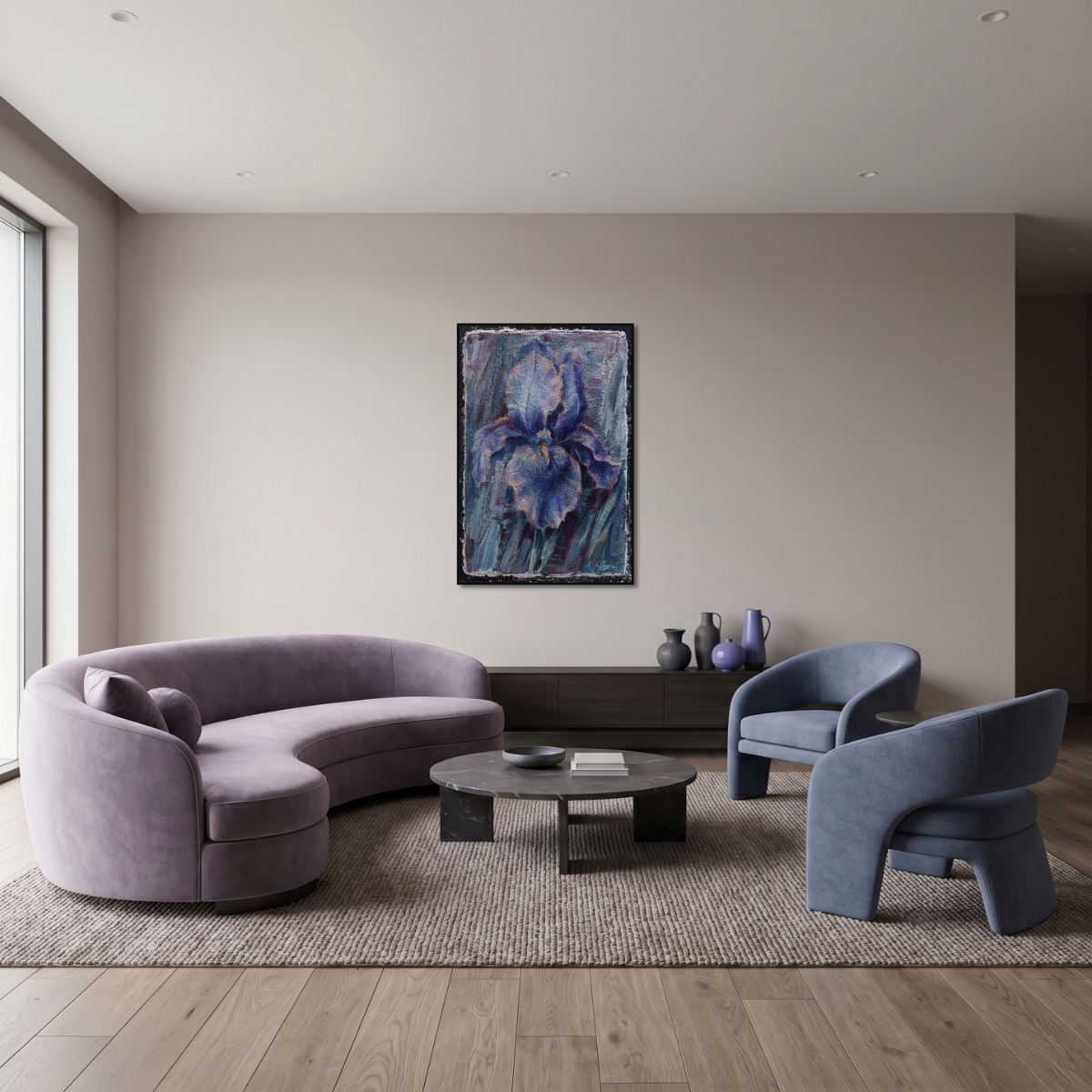
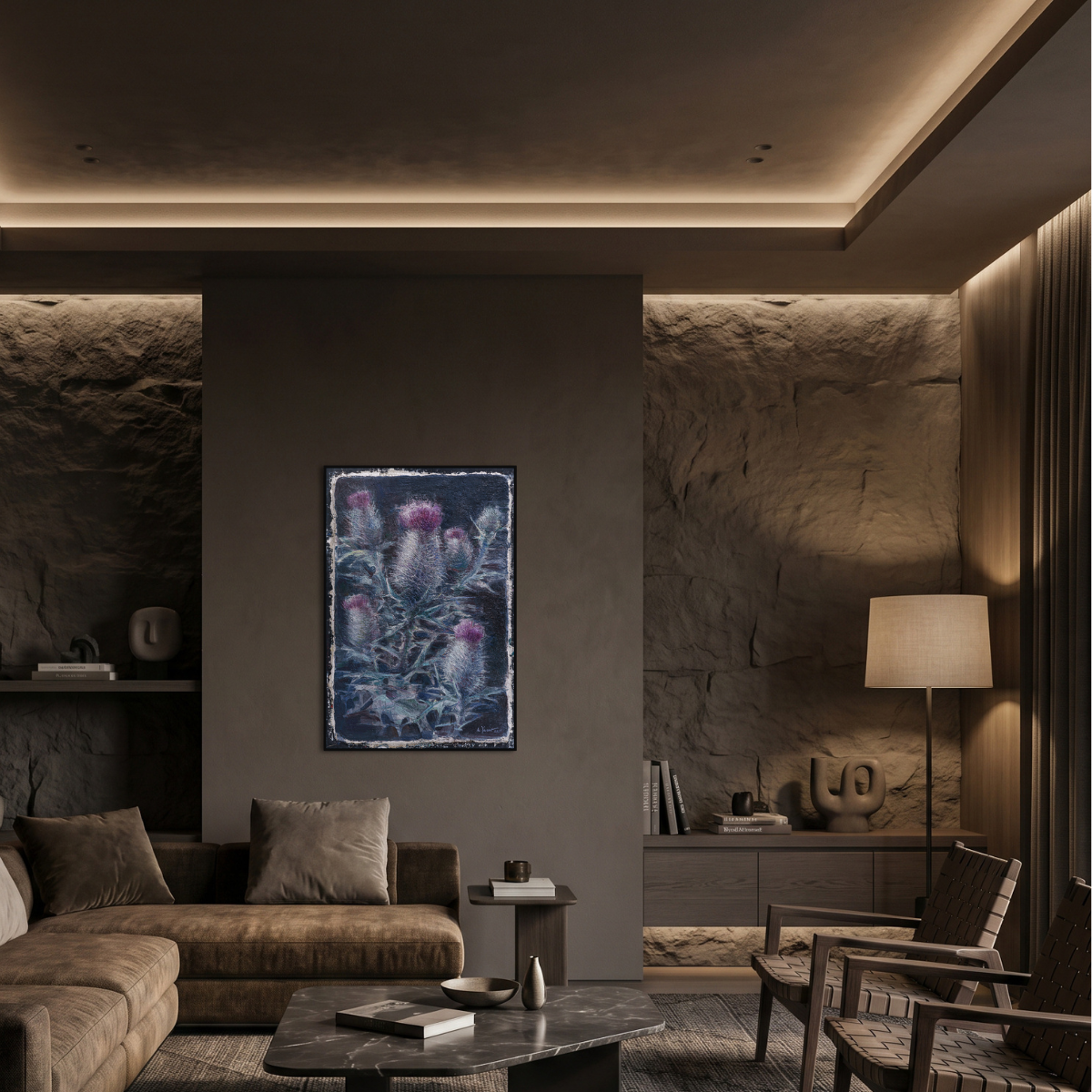
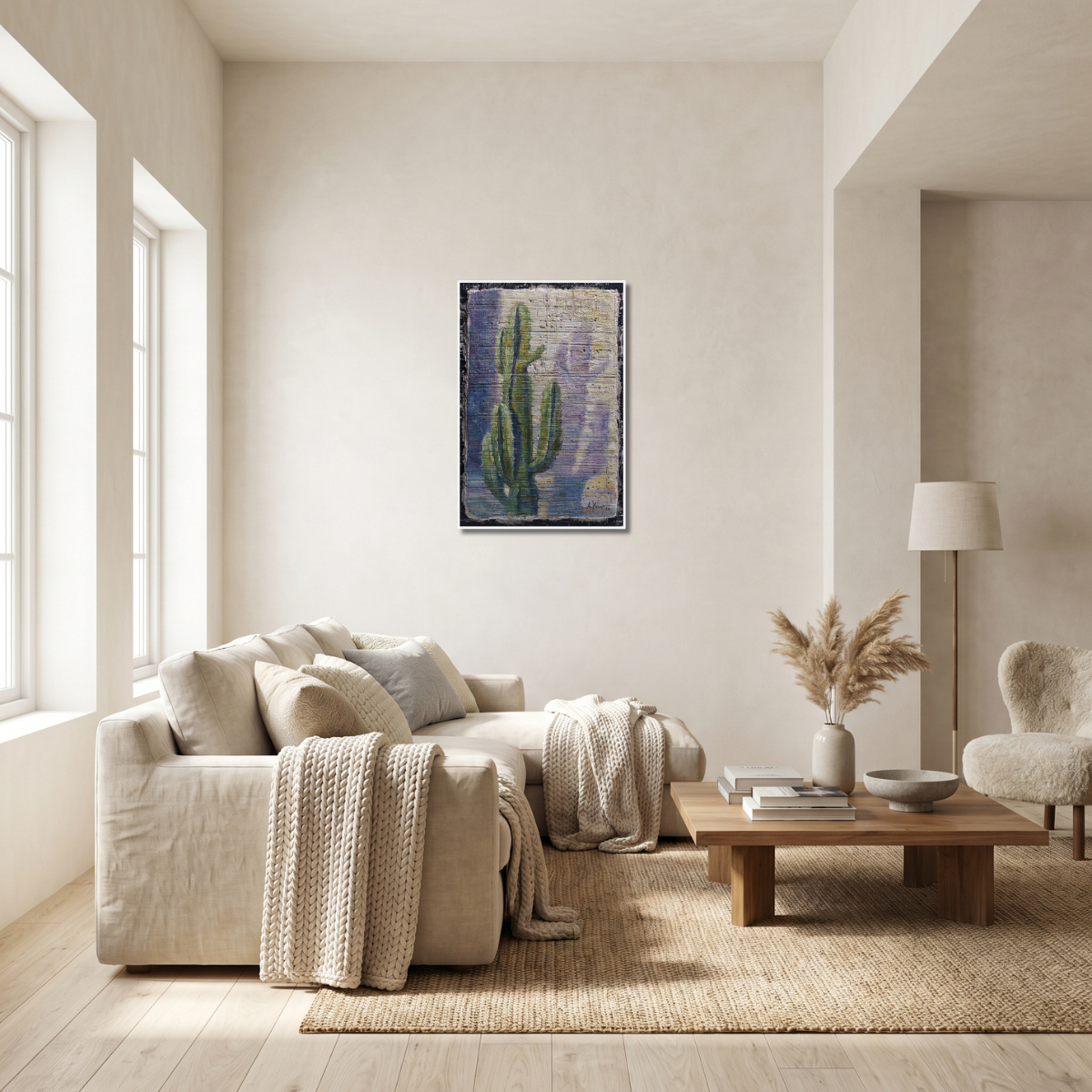
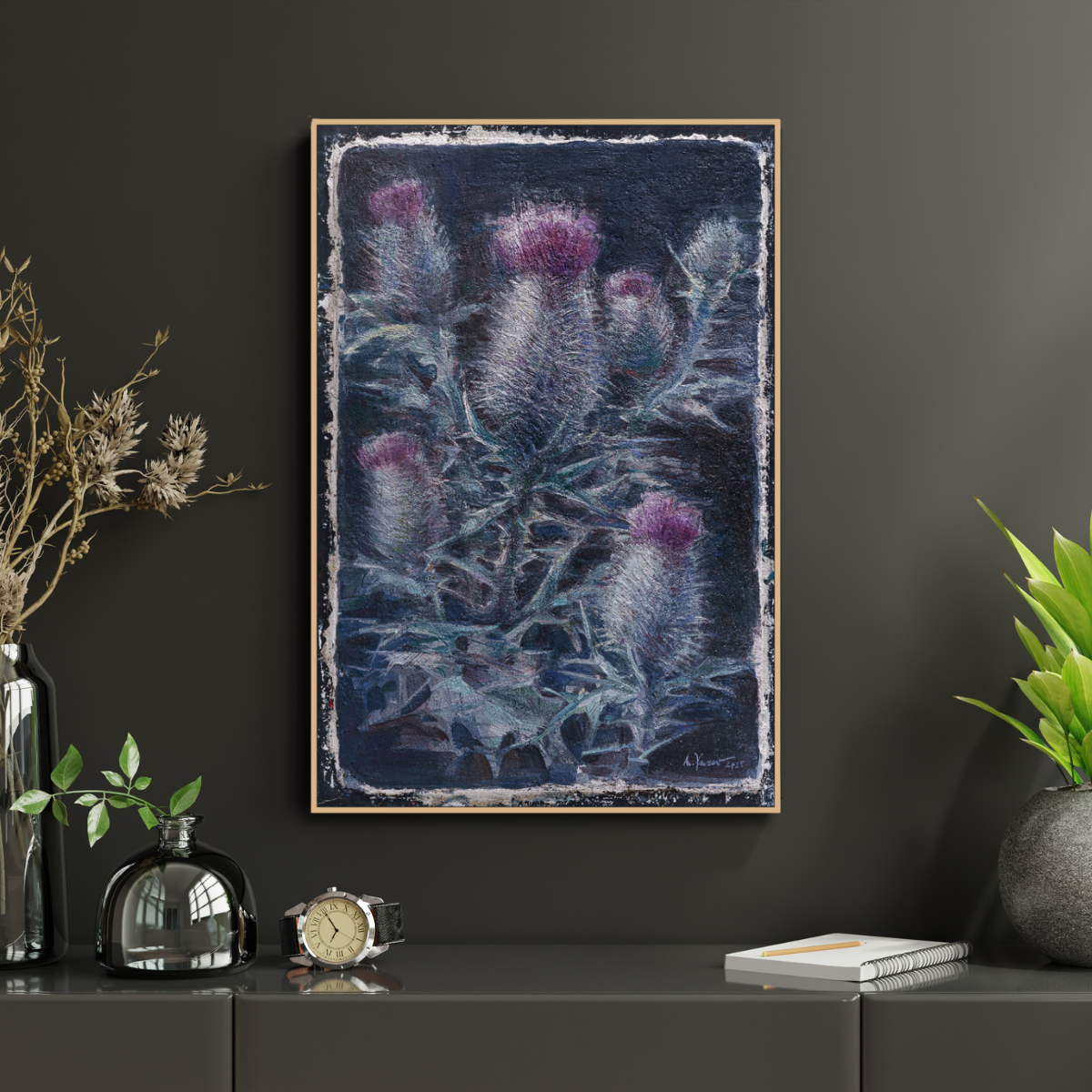
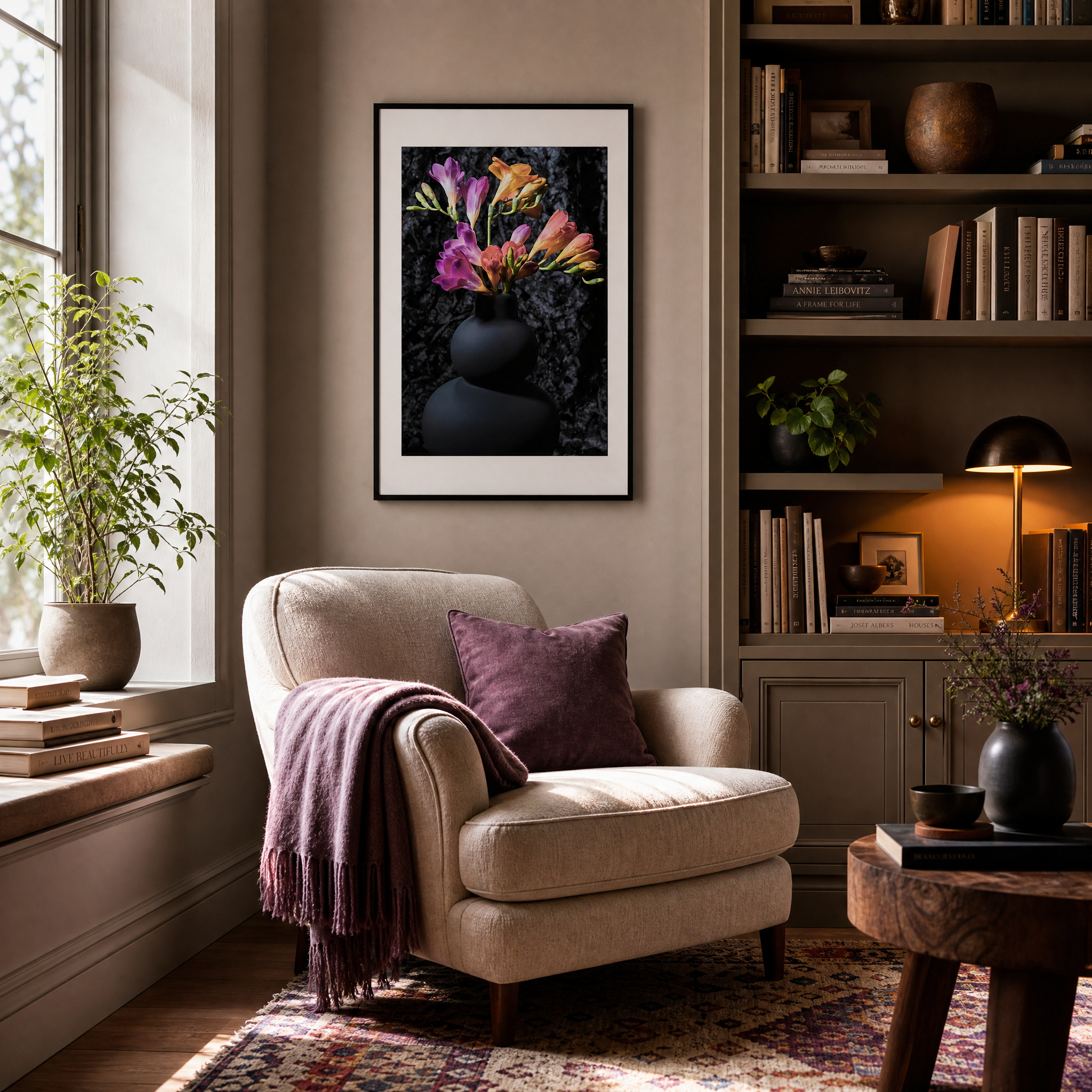
Gito Art is a contemporary art and interior brand dedicated to discovering artists from around the world who create exceptional works designed for living spaces. Our collections focus on LIMITED-EDITION art, collectible objects, photography, contemporary wall art, and unique reinterpretations of traditional artistic techniques — carefully curated for modern interiors.
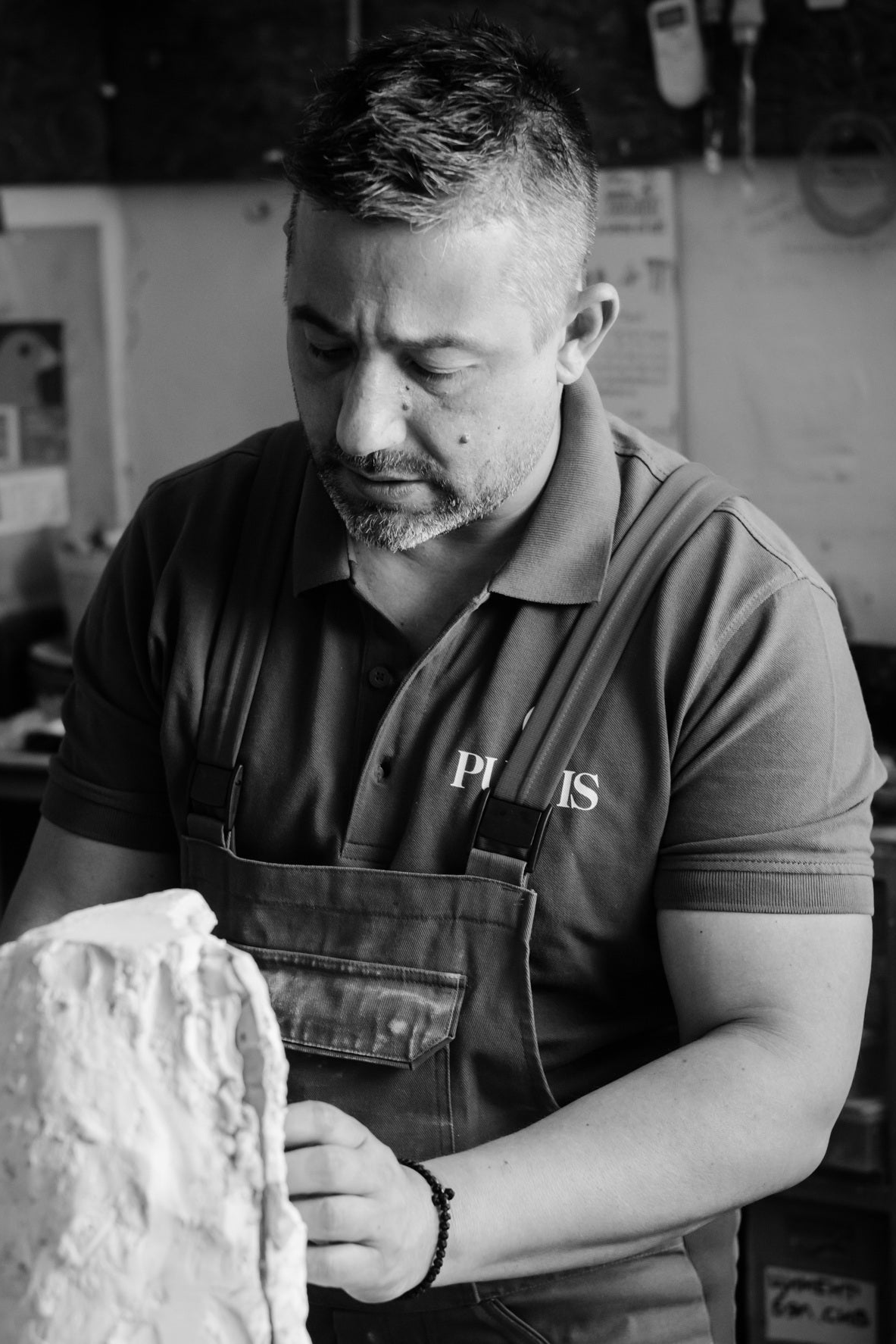
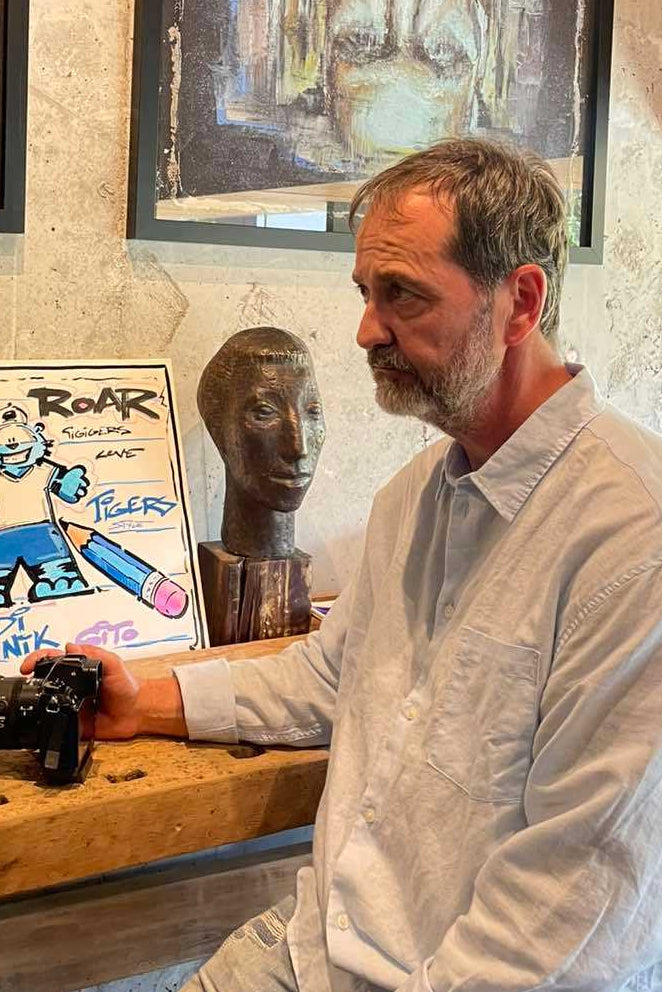
At Gito Art, we believe that great art begins with great artists. Our mission is to discover, support, and collaborate with creators whose work carries originality, craftsmanship, and emotional depth. From contemporary painters and photographers to tattoo artists and pop culture visionaries, each artist in our collection brings a unique perspective that transforms walls into stories and interiors into experiences.
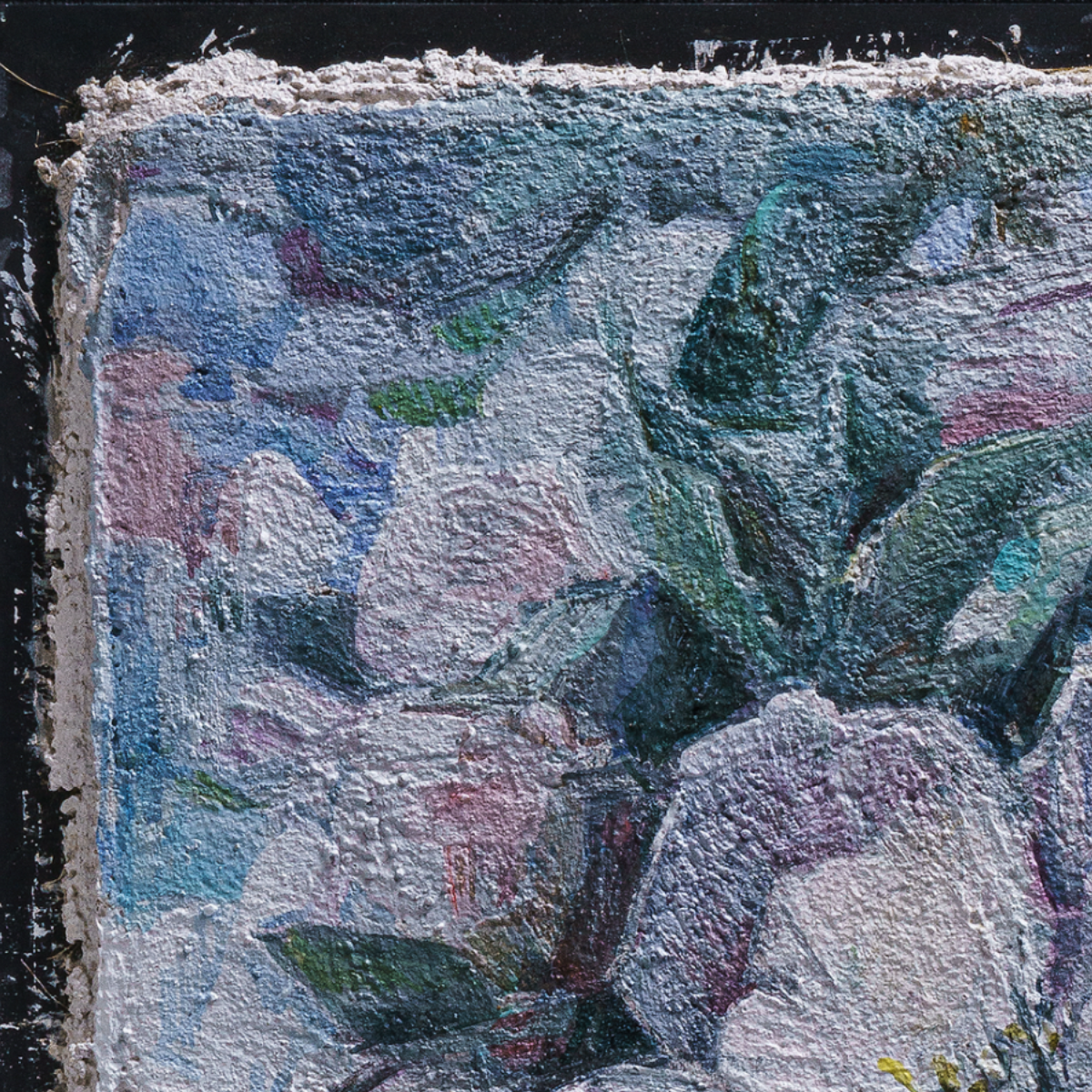
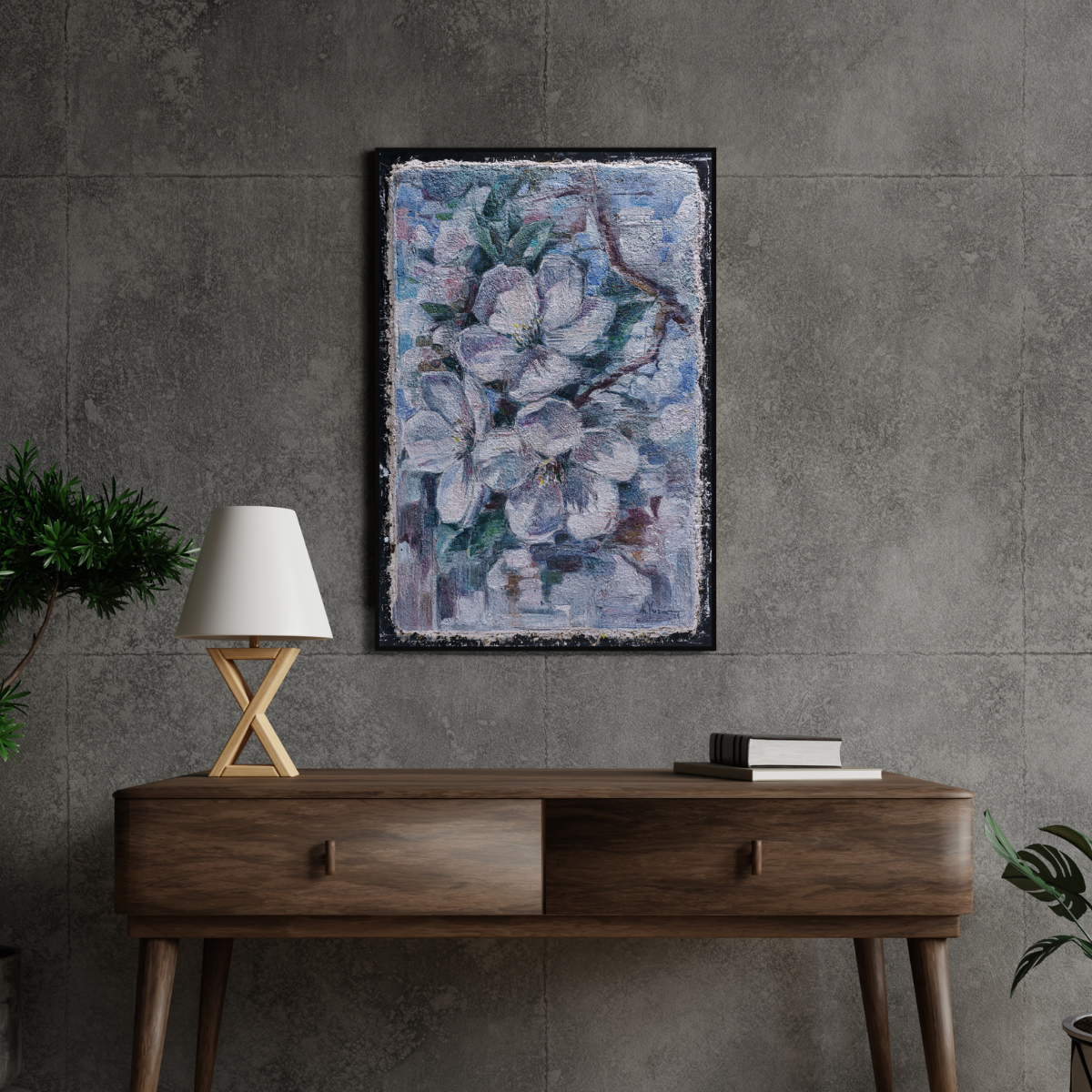
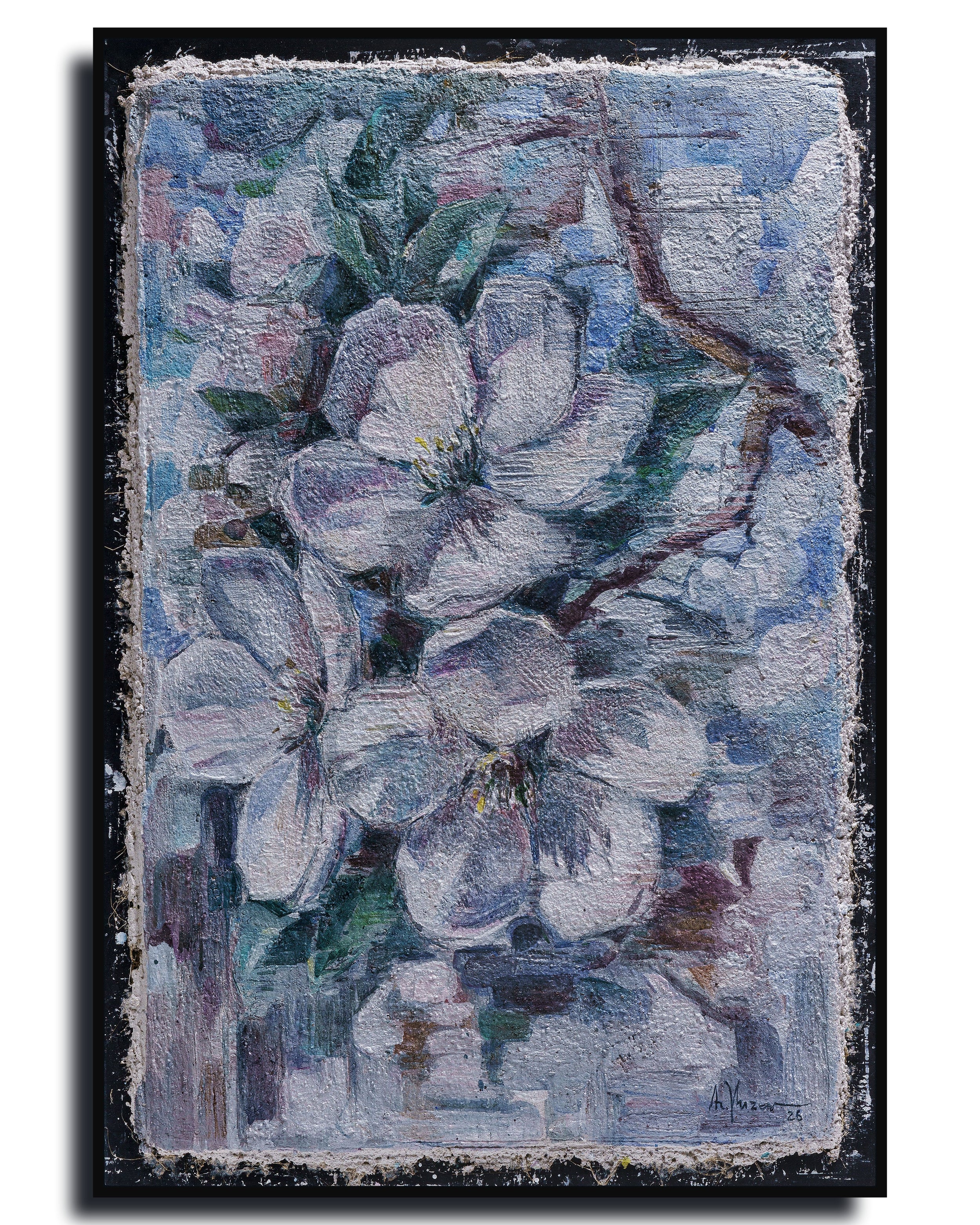
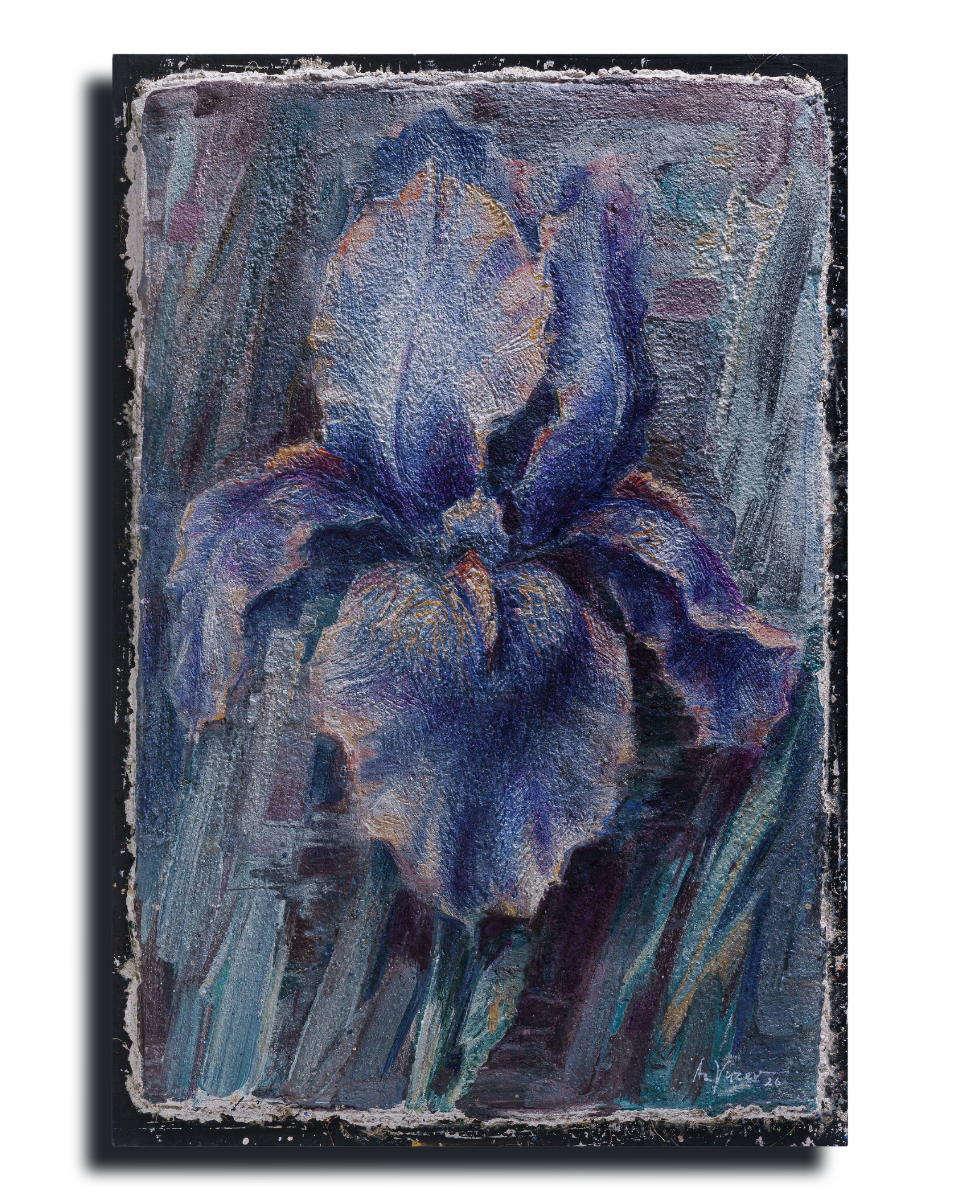
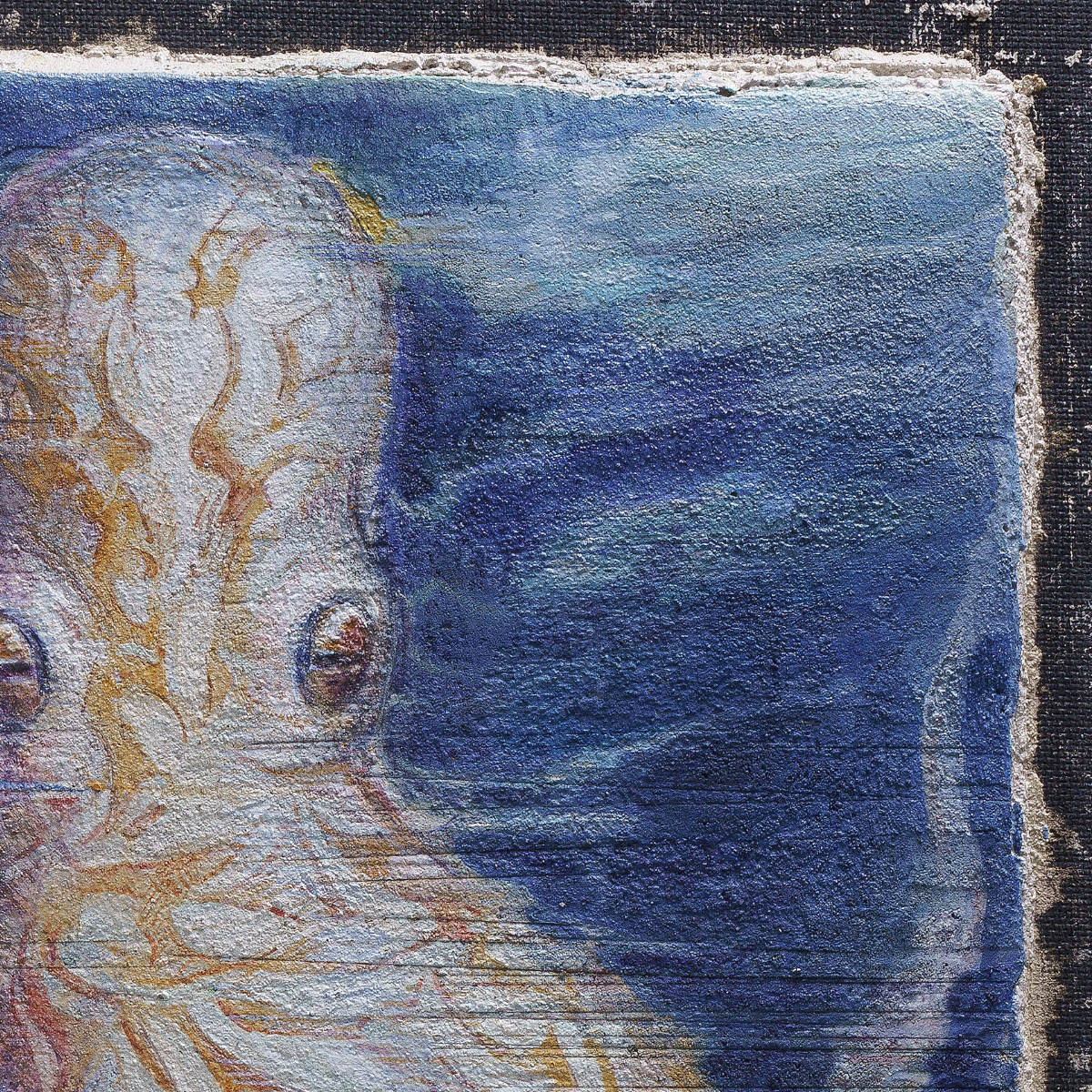
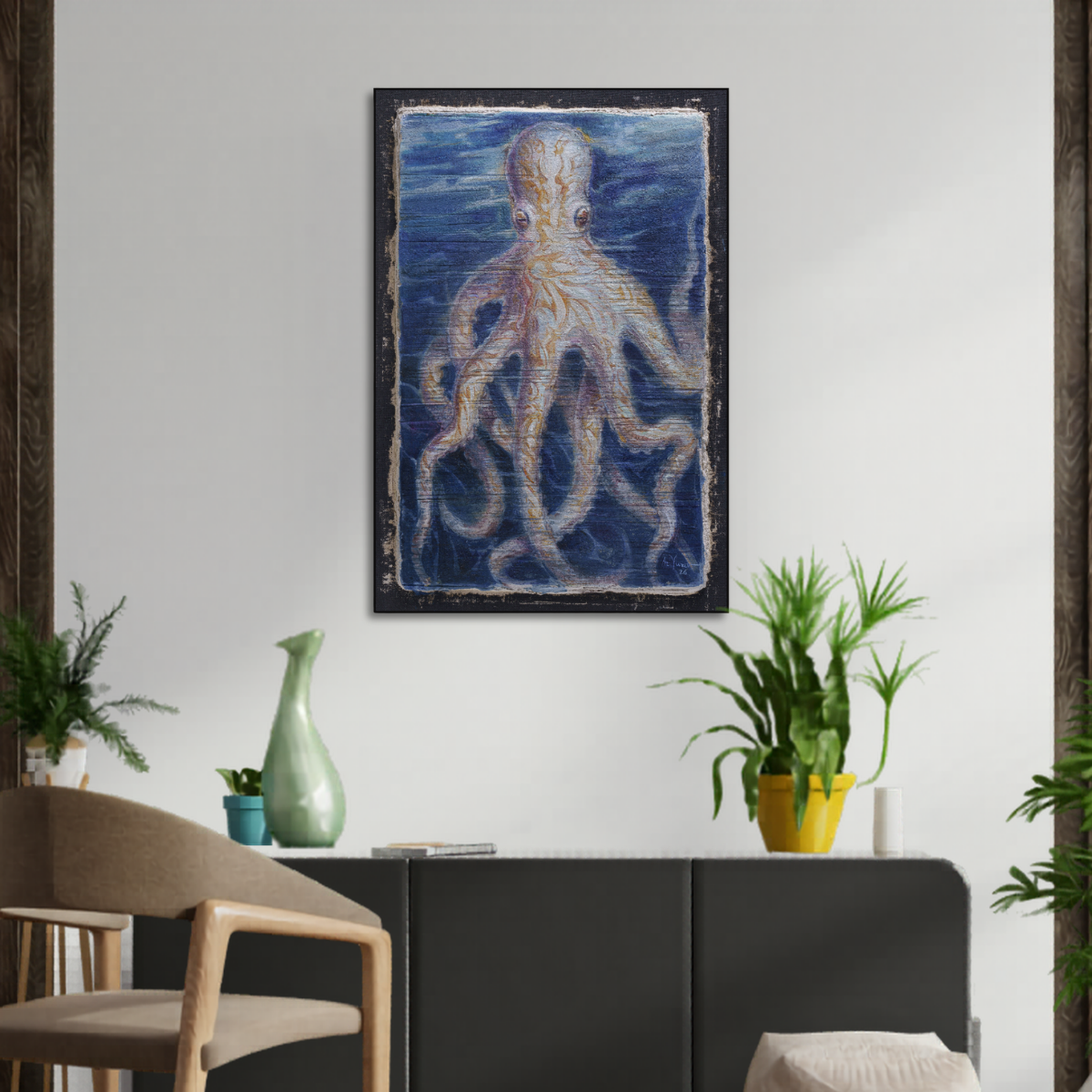
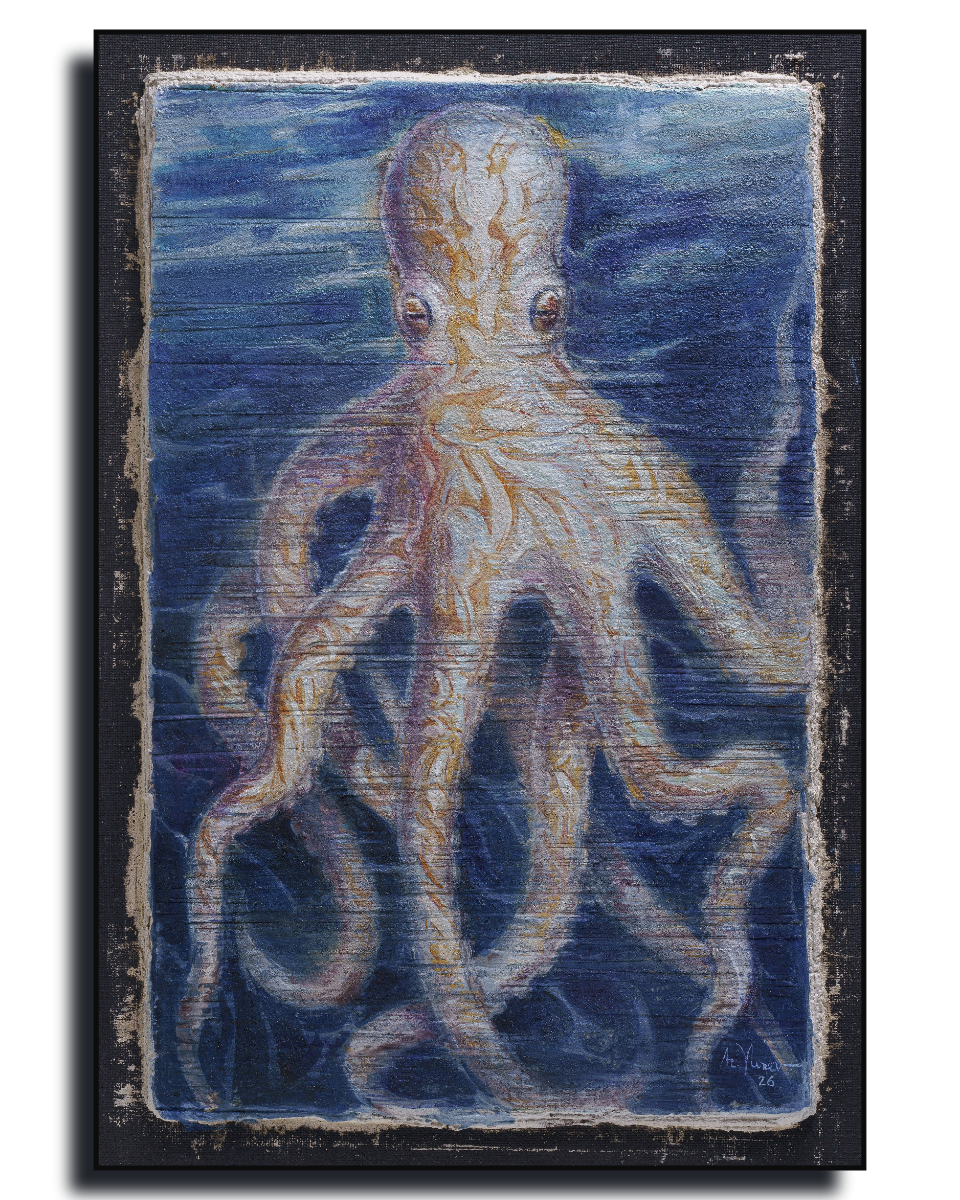
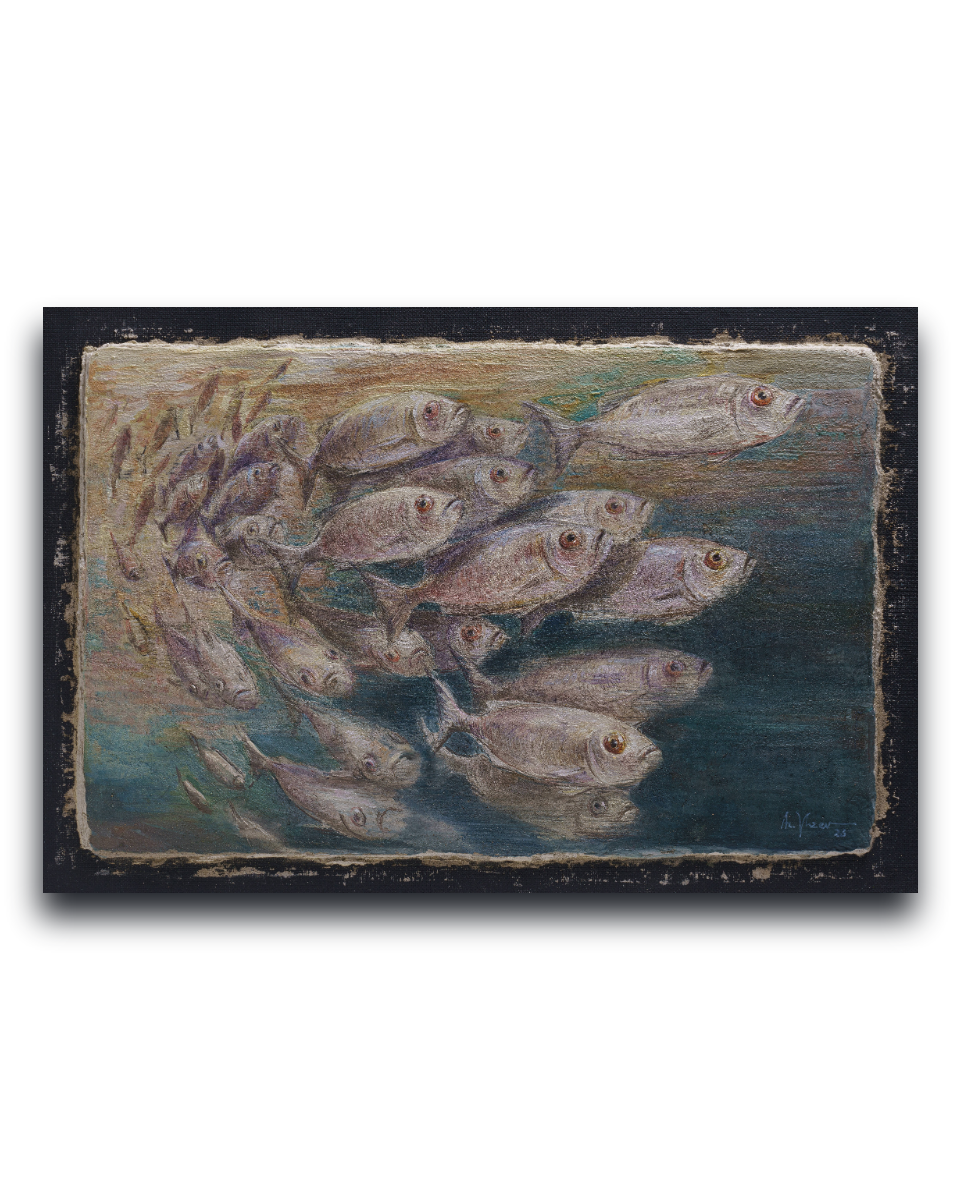
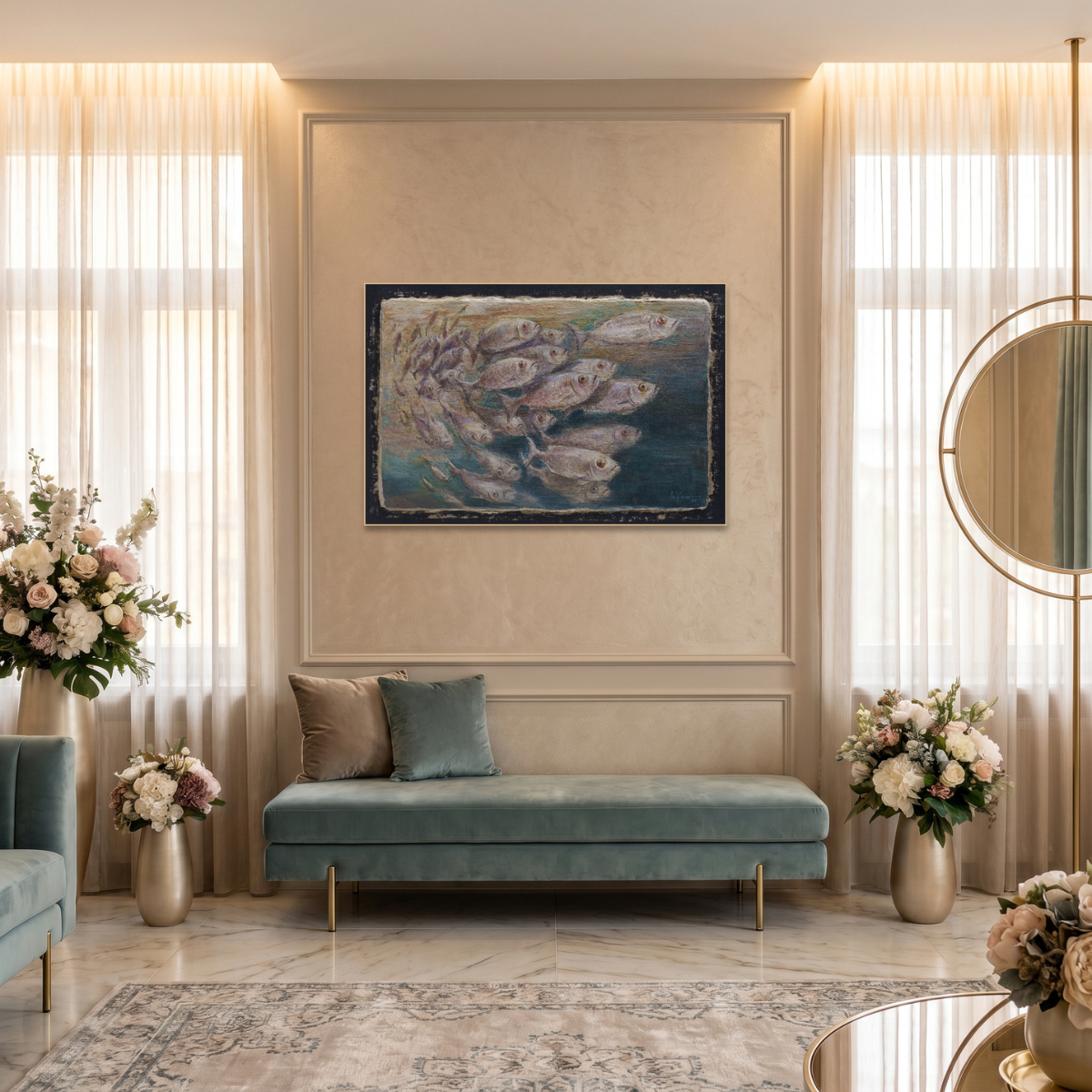
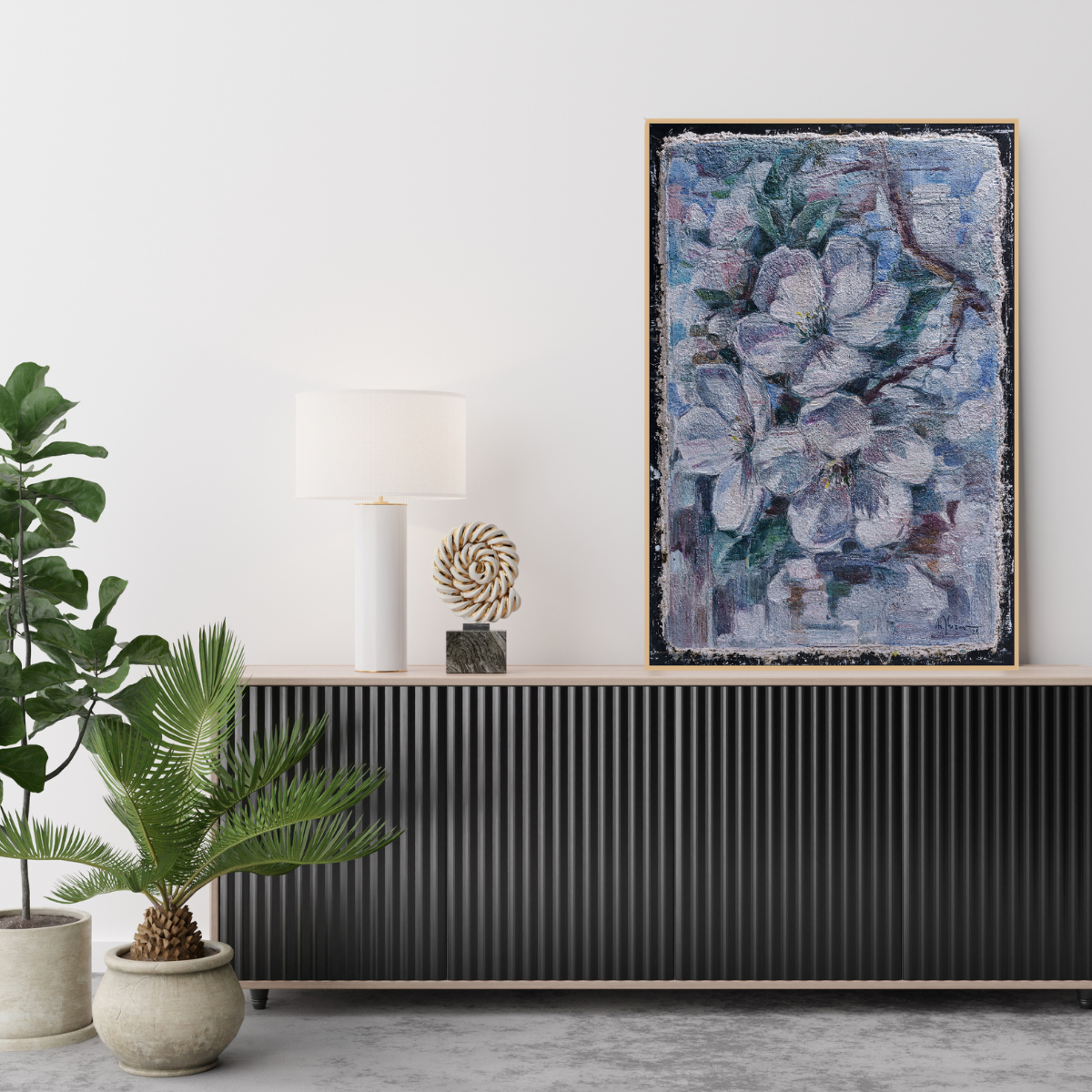
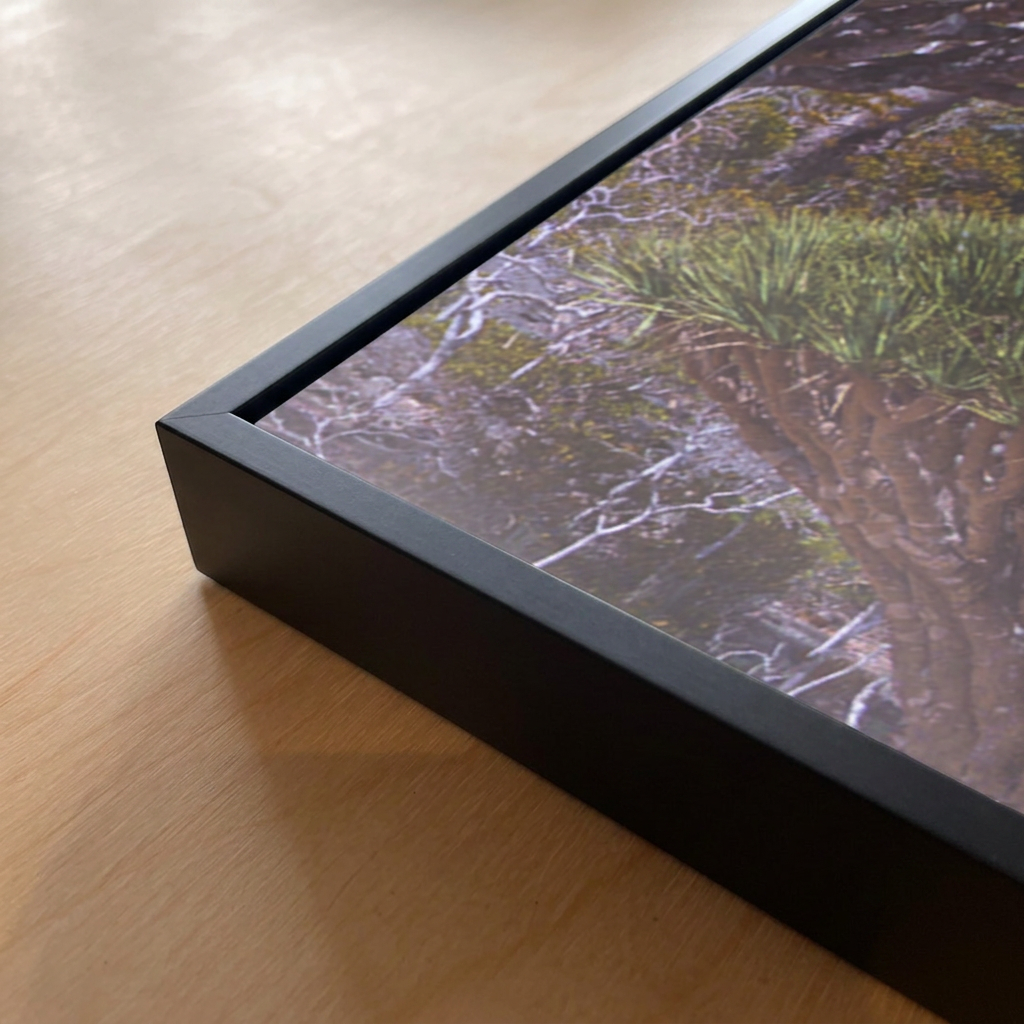
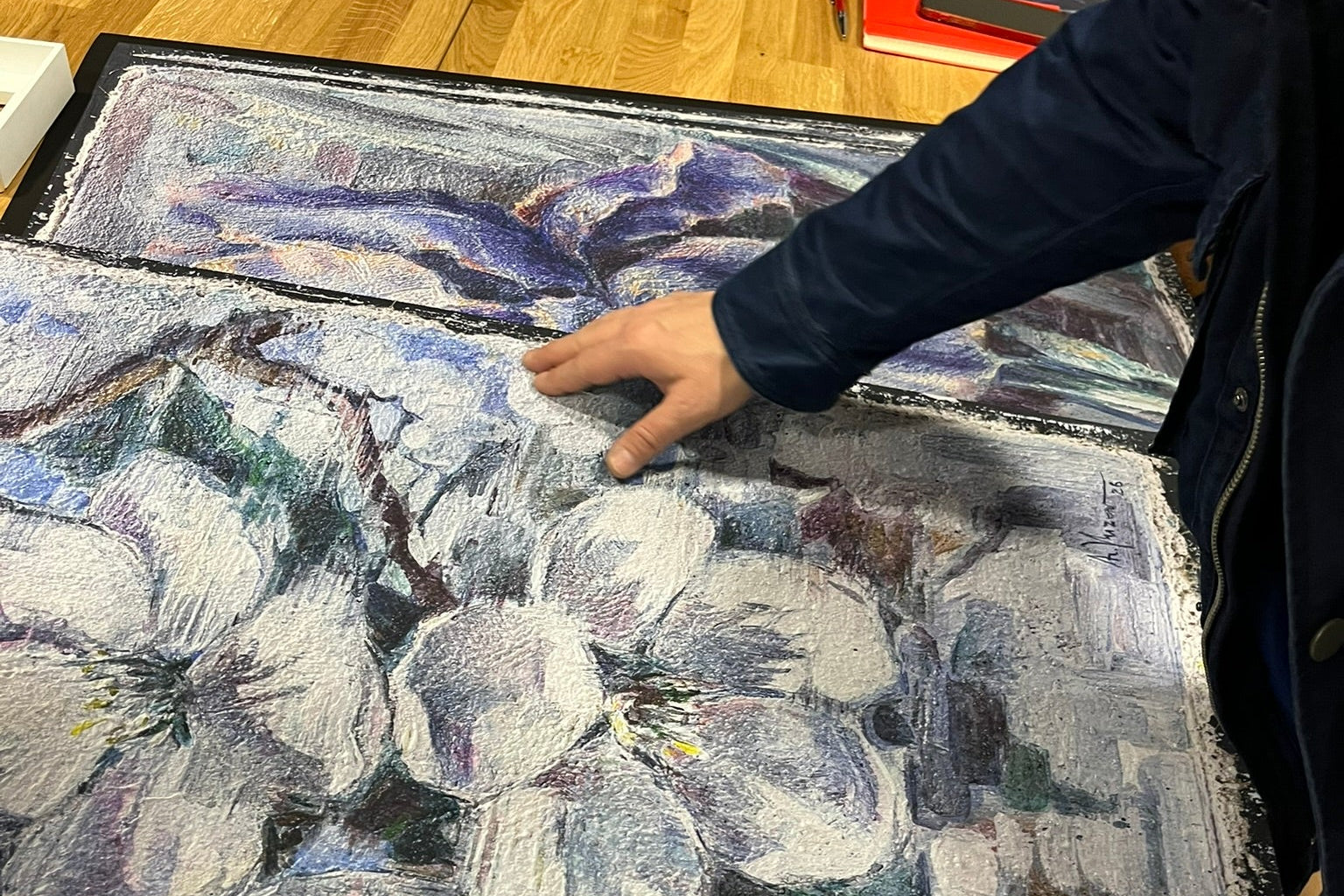
Framing a fresco is a high-stakes balance between aesthetics and engineering. Because a fresco is a heavy, porous mineral "skin" rather than a canvas, traditional framing methods can actually cause permanent damage. From the necessity of deep shadow boxes to the chemistry of acid-free mounting, learn the museum-standard techniques for displaying and protecting your fresco art. Discover how to create a display that lets your masterpiece breathe while keeping it structurally sound for centuries.
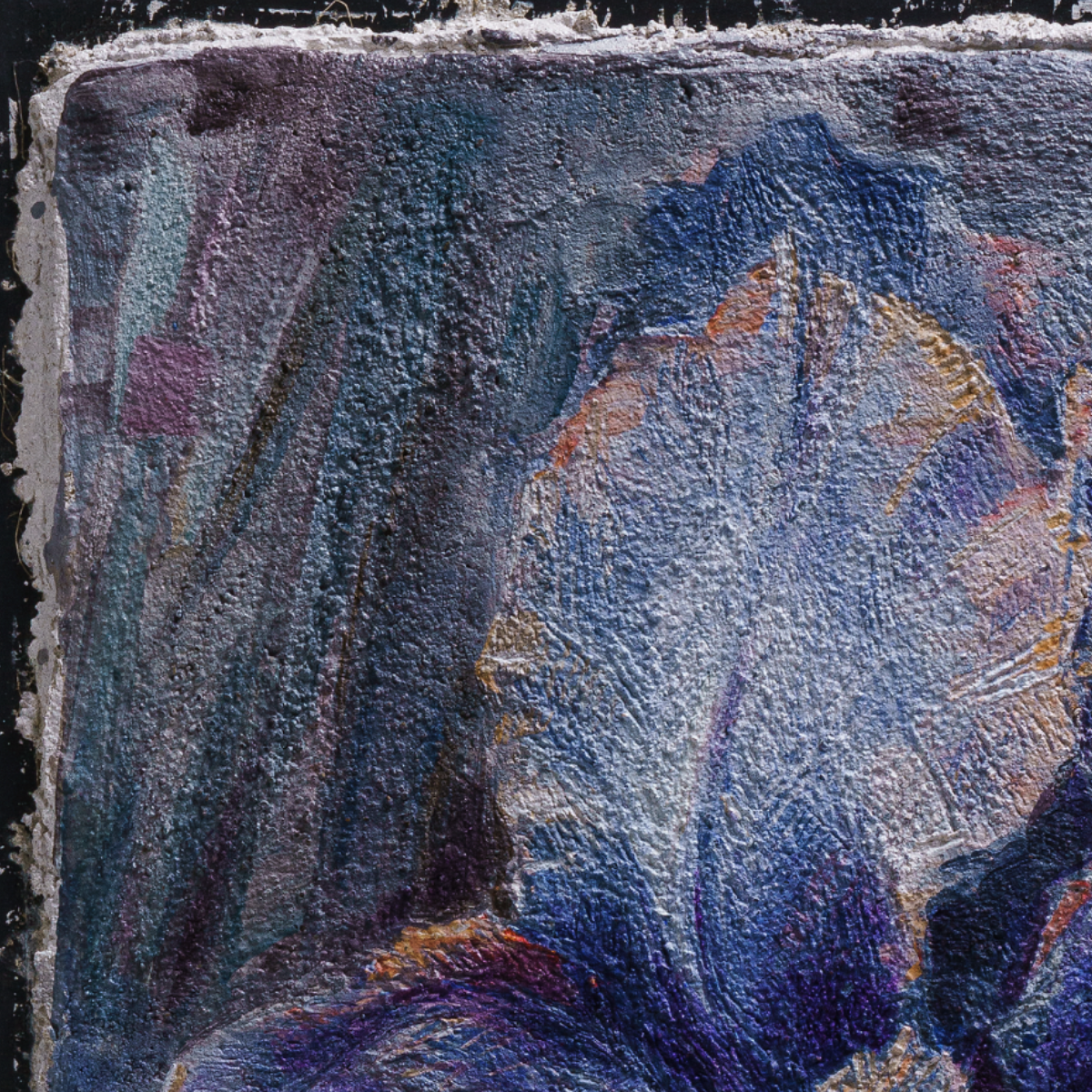
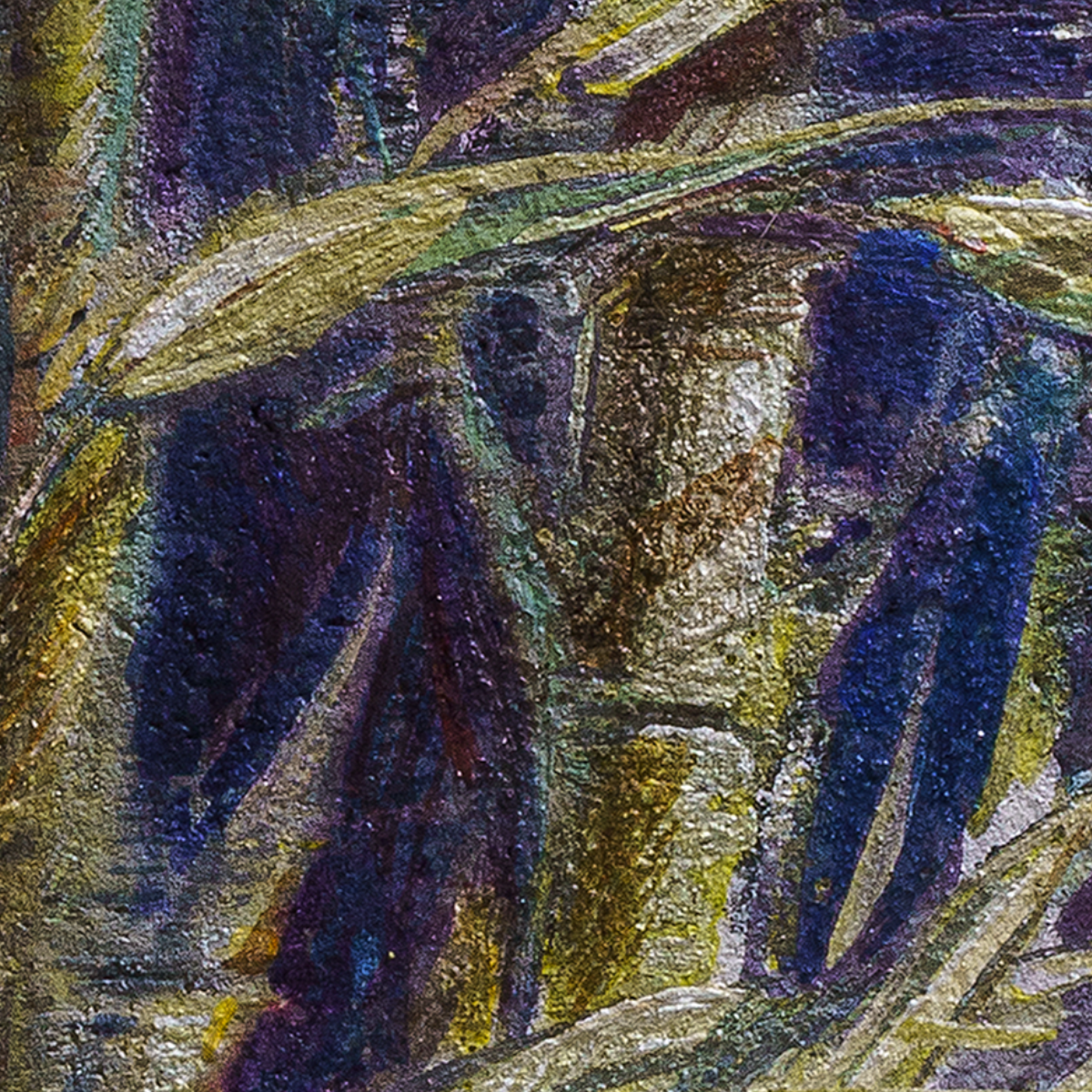
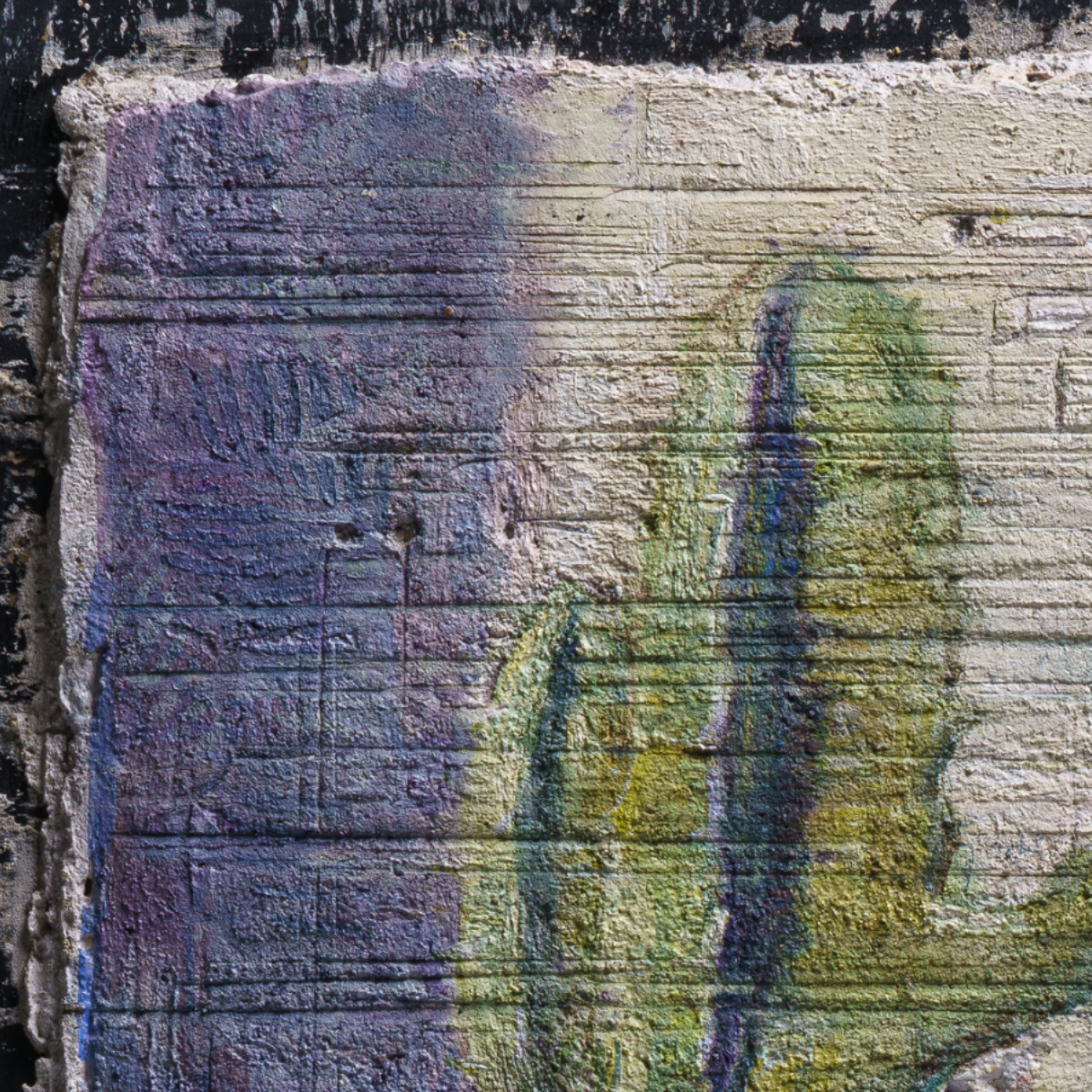
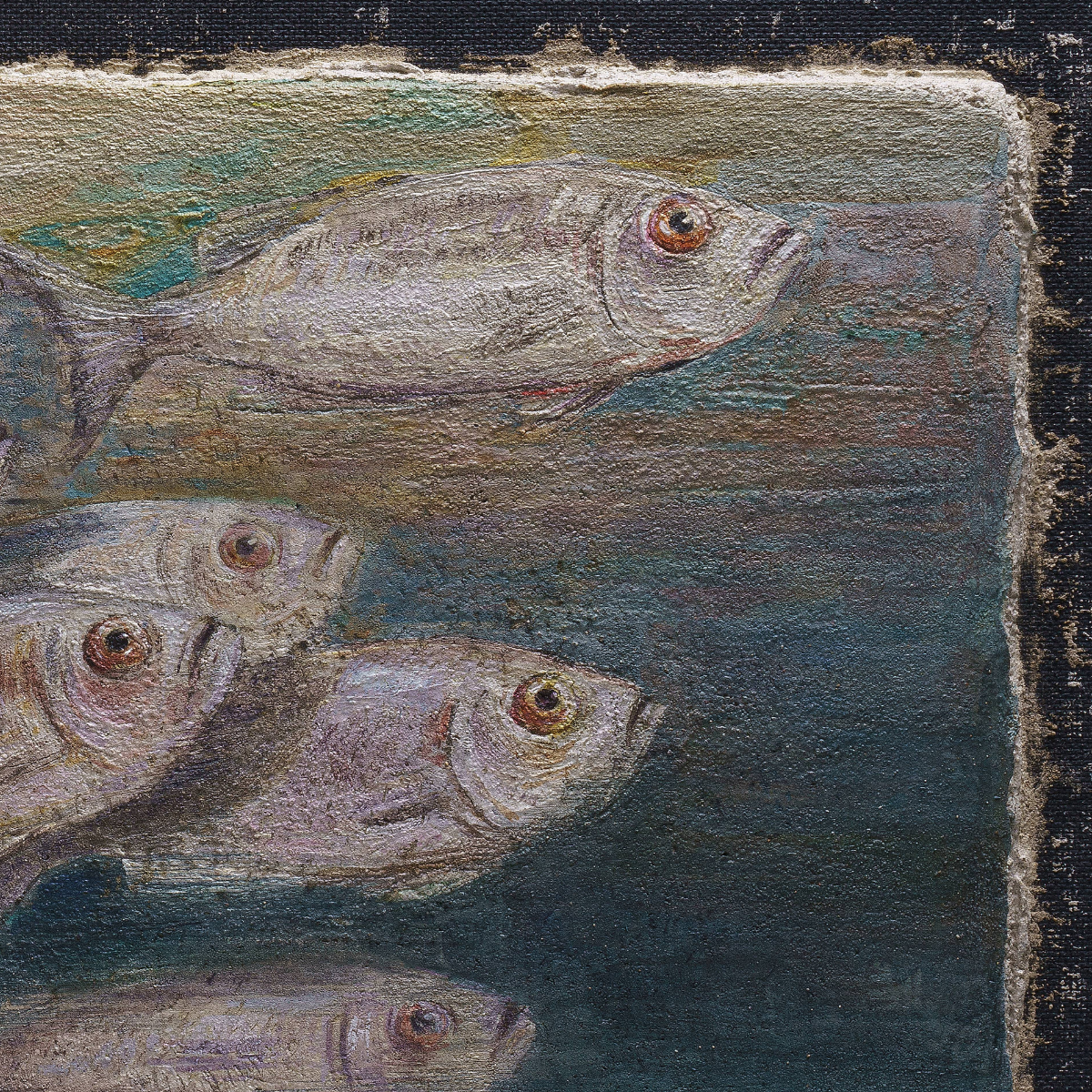
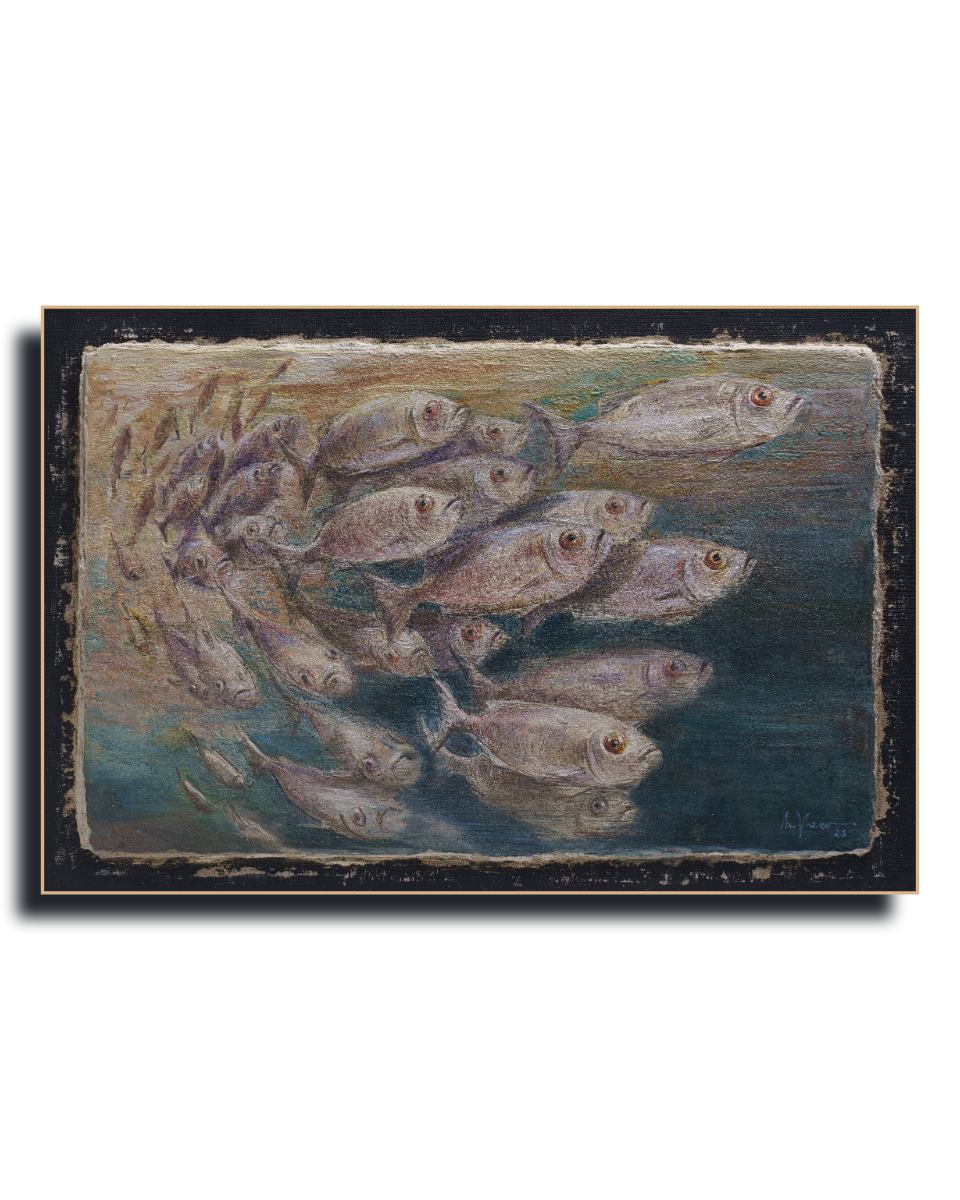
Fresco painting is a masterclass in the intersection of art and science. Beyond the beautiful imagery lies a complex world of high-heat calcination, calcium hydroxide reactions, and the specific chemistry of mineral pigments. Explore the raw materials—from limestone and lapis lazuli to traditional trowels—that transform a simple wall into an enduring historical archive. Learn why the "Lime Cycle" is the secret to art that doesn't just sit on a wall, but becomes part of it.
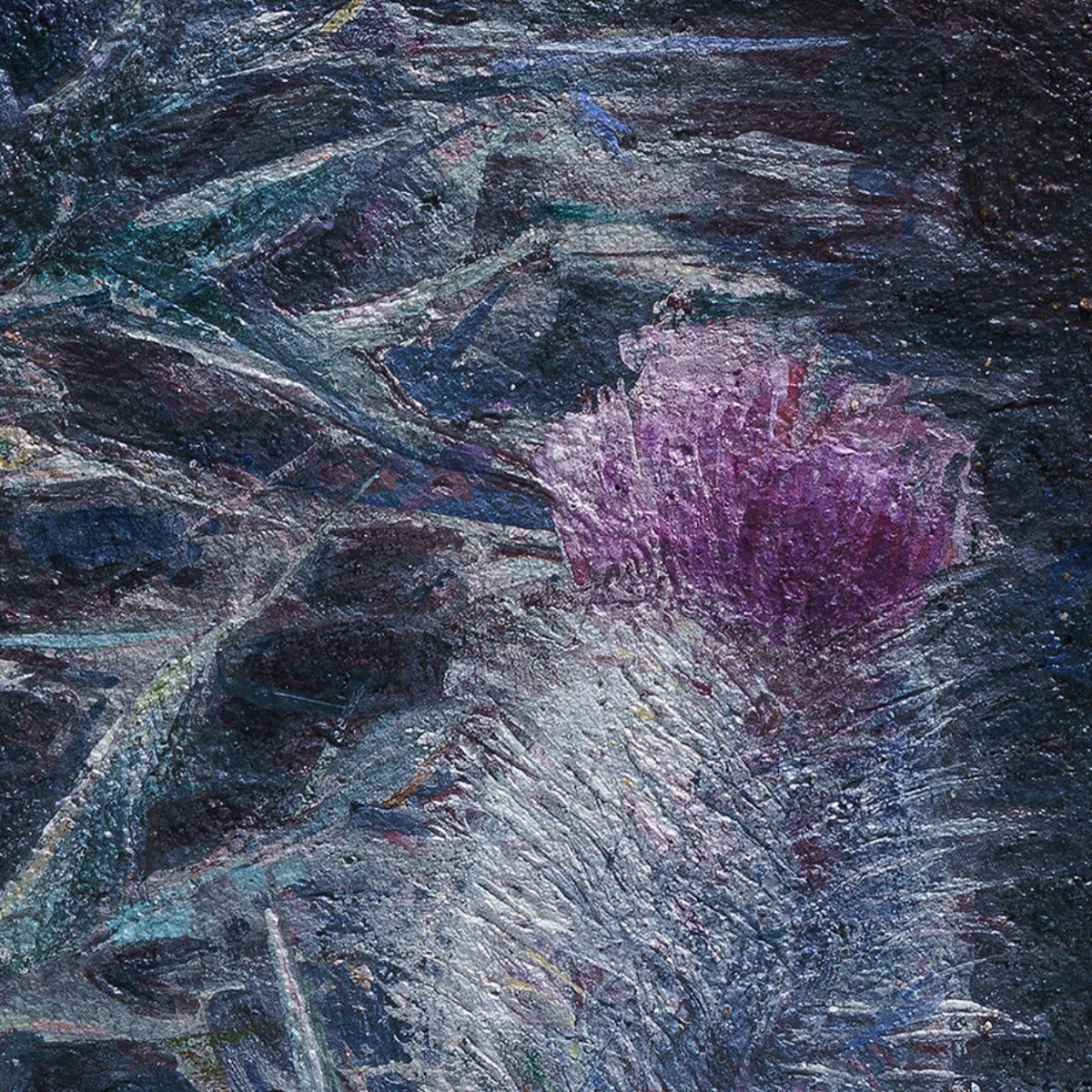
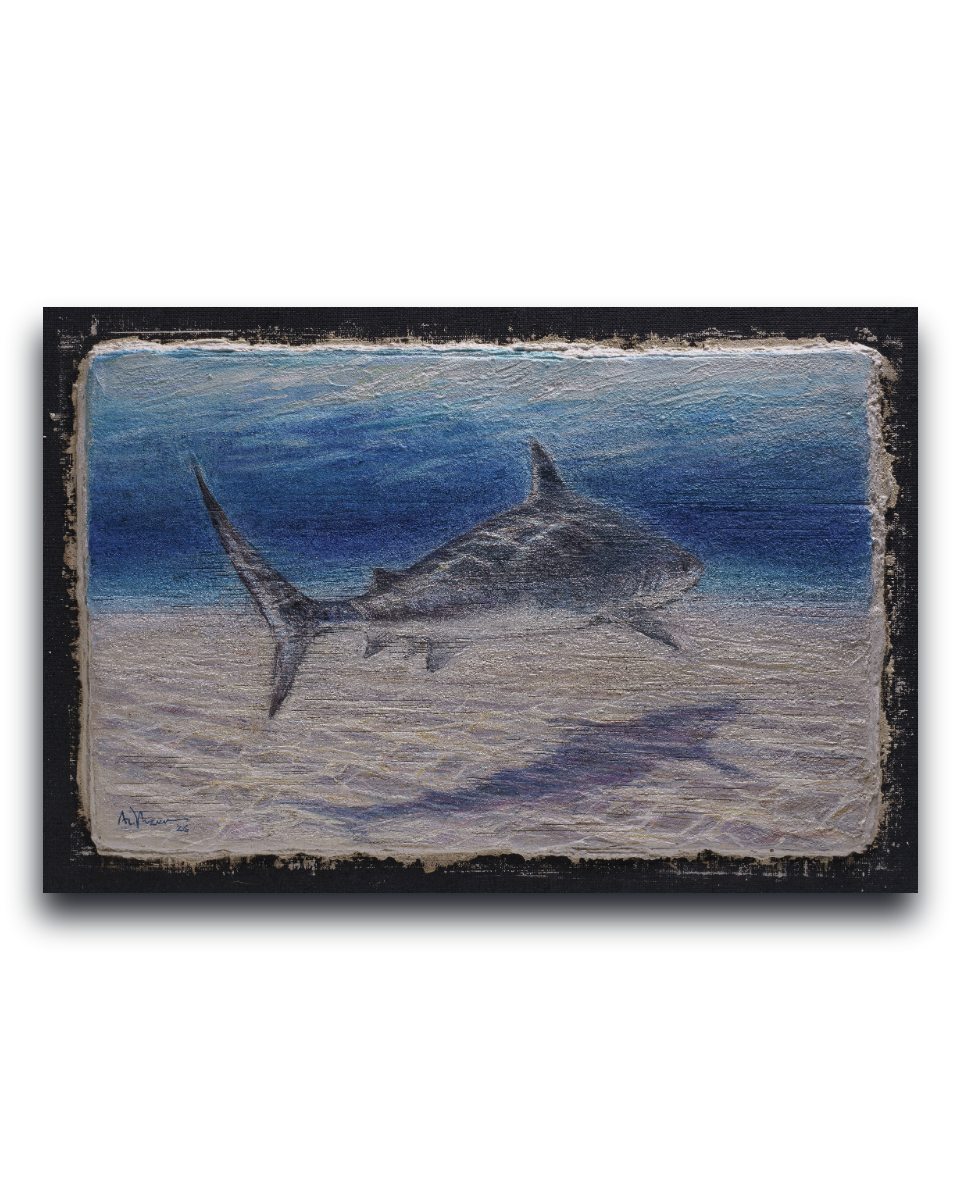
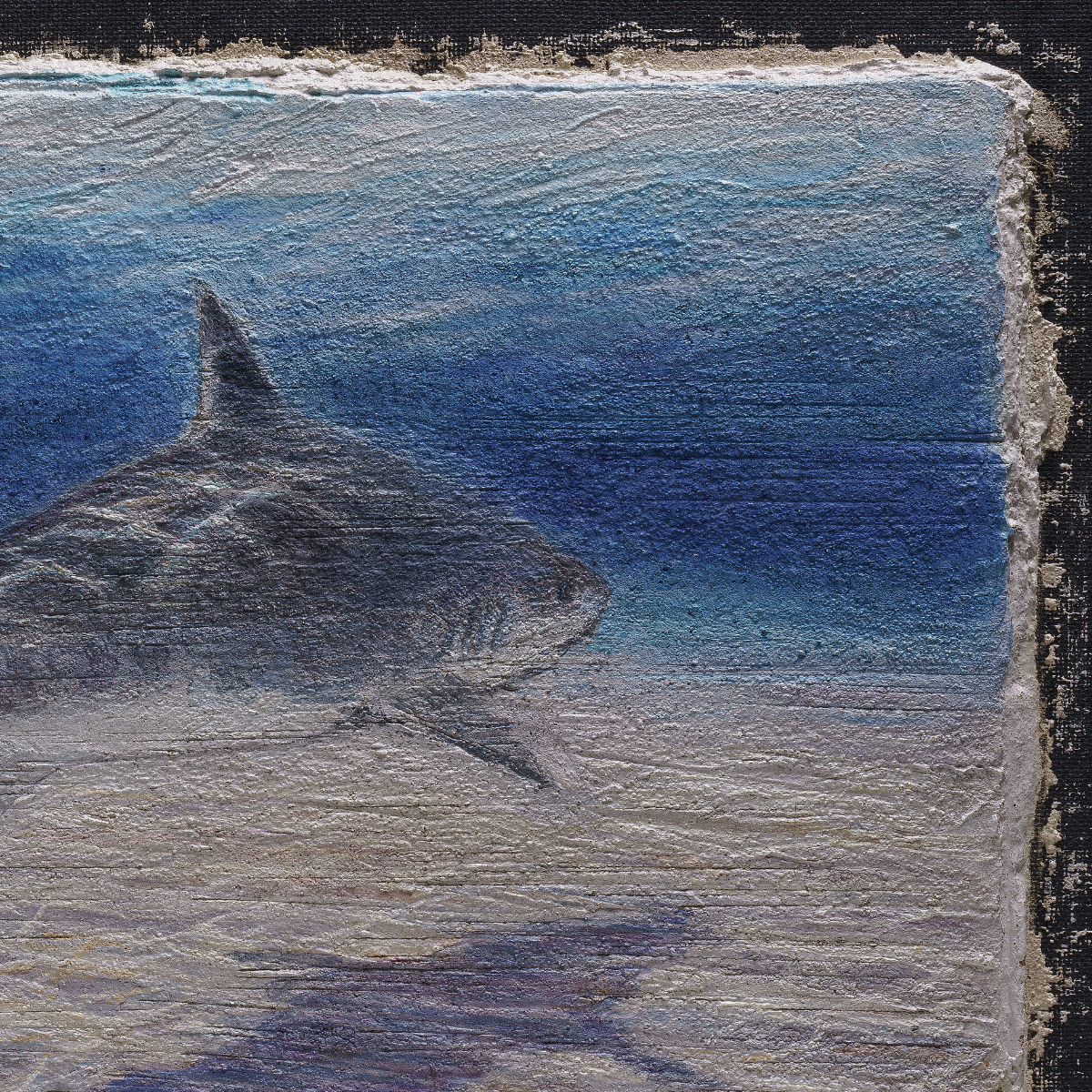
Go behind the scenes of one of history’s most challenging artistic mediums. From the chemical reaction of carbonation to the precision of the "giornata," discover the step-by-step craftsmanship required to turn wet plaster and mineral pigments into eternal masterpieces. This guide explores the intricate layers—Arriccio, Sinopia, and Intonaco—that allow fresco paintings to breathe and endure as part of the very walls they adorn.